
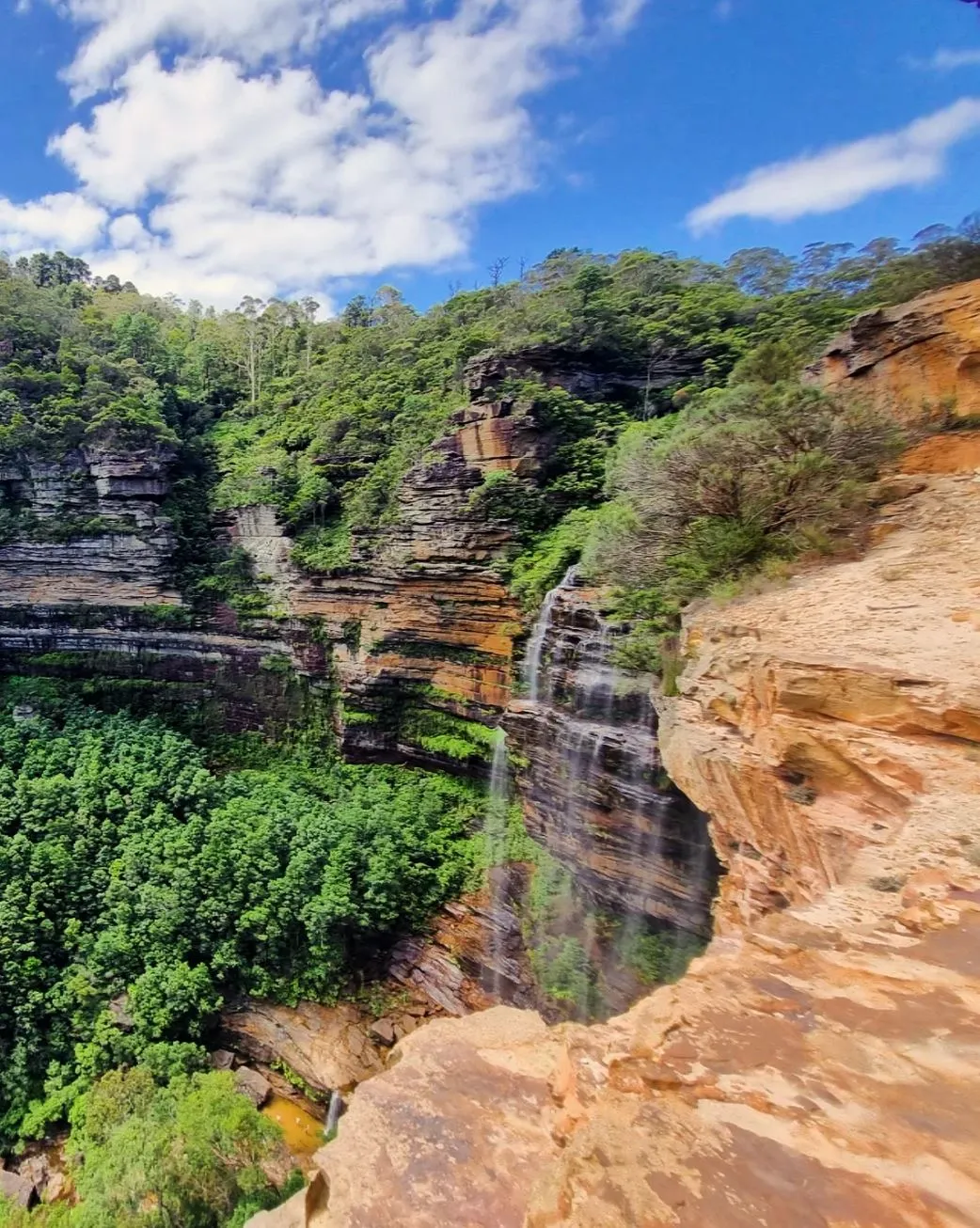
The article – 4 Little Known Waterholes in the Blue Mountains perfect for a Summer Dip was born out of just one of those scorching January afternoons when the temperature in Katoomba hit a blistering 38 degrees. I’d just finished a hike that felt more like walking through an infernal hair-dryer and was desperate to cool off, to get away from the crowds at Wentworth Falls. That’s when I stumbled upon one of those secret bush swimming spots I’m going to share with you now.
G’day, it’s me – Paul Beames, founder of Get Lost Travel Group and a long-time wanderer of the Great Dividing Range. Years of poking about sandstone gullies and half-forgotten fire trails have given me a few pointers on where to find water that’s cool and calm, birdsong that drowns out the traffic noise, and a chance to float under the gum canopy in complete solitude. So let’s dive in – literally.
If you’re planning a Blue Mountains Tour, these waterholes are the perfect excuse to break up all that sightseeing with a refreshing dip.
1. Jellybean Pool – Glenbrook’s Family Friendly Gem
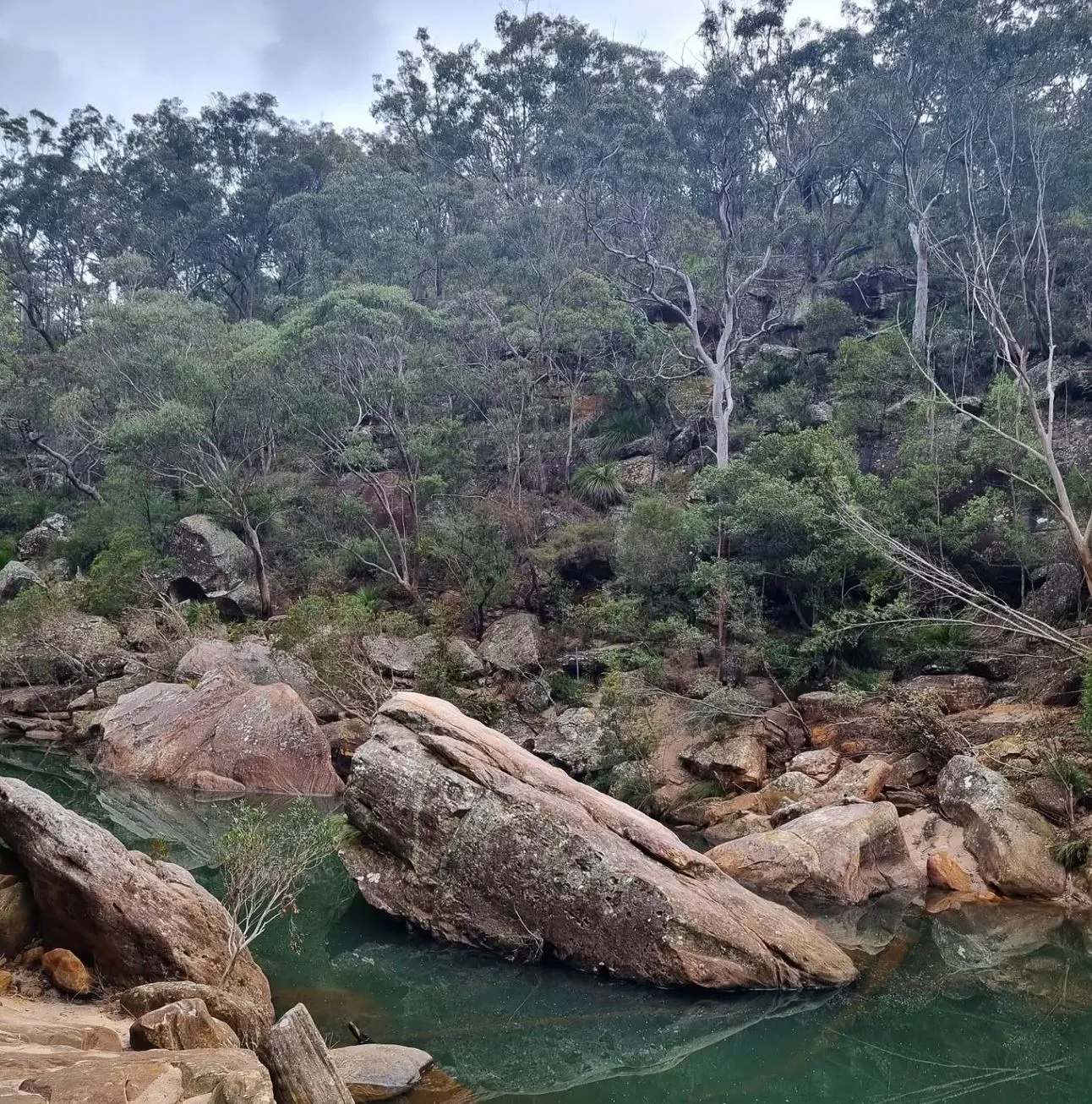
Tucked just inside the Glenbrook entrance to the Blue Mountains National Park, Jellybean Pool is usually the first port of call for locals looking for a break from the summer heat. Plus, it’s right near the train line, but don’t let that fool you – towering cliffs, smooth rock formations and a bend in the Glenbrook Creek that’s just begging for a proper swim. It still feels completely wild.
The track down to the pool is an easy 10-minute walk, and the pool itself is perfect for families or a sneaky afternoon float with a cold one in hand. Just don’t forget your reef shoes – the rocks are pretty slippery after a bit of rain – and be prepared for the water to be around 20-22°C in the middle of summer.
Tip: get in early or late in the day. Midday crowds can pack it in tight.
If you’re looking for a bit more comfort, there are loads of self-contained guesthouses and swanky retreats in Glenbrook just a short stroll away – perfect if you book through one of our affiliate links.
Anyone joining one of our Blue Mountains Tours can add Jellybean Pool to the itinerary for a relaxed morning dip.
2. Minnehaha Falls – The Locals’ Favourite Cascade
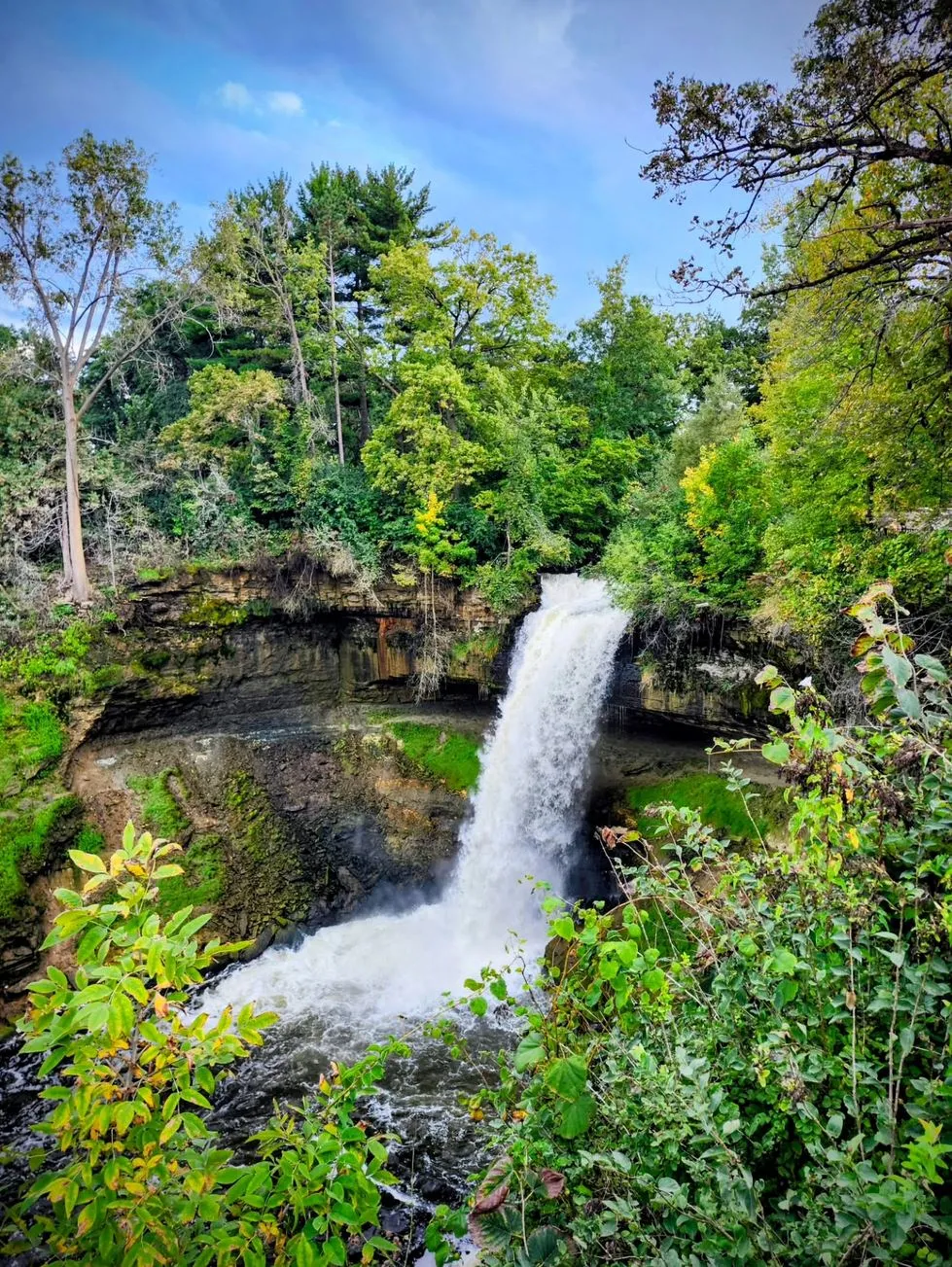
Only a short drive from Katoomba, this walk and waterhole combo delivers on all fronts – you get a bit of a workout as well as the reward. The 1.3 km track drops steeply down into a fern-lined gorge and ends in a deep plunge pool right beneath Minnehaha Falls – it’s a real waterfall, not just a tiny drip – and after some decent rain, it thunders off the ledge like a natural showerhead for the adventurous.
You often see the more hardy locals swinging off an old rope swing into the water or just chillin’ in the rockpools below the falls. It’s a proper bush swimming experience – fresh, fierce and totally immersive.
Access Notes:
- Entry is free, but be aware that the carpark gets crowded.
- That final ladder descent can be slippery – watch your step.
- The water’s always pretty chilly – around 16-18°C.
3. Silver Cascades – Mount Victoria’s Secret
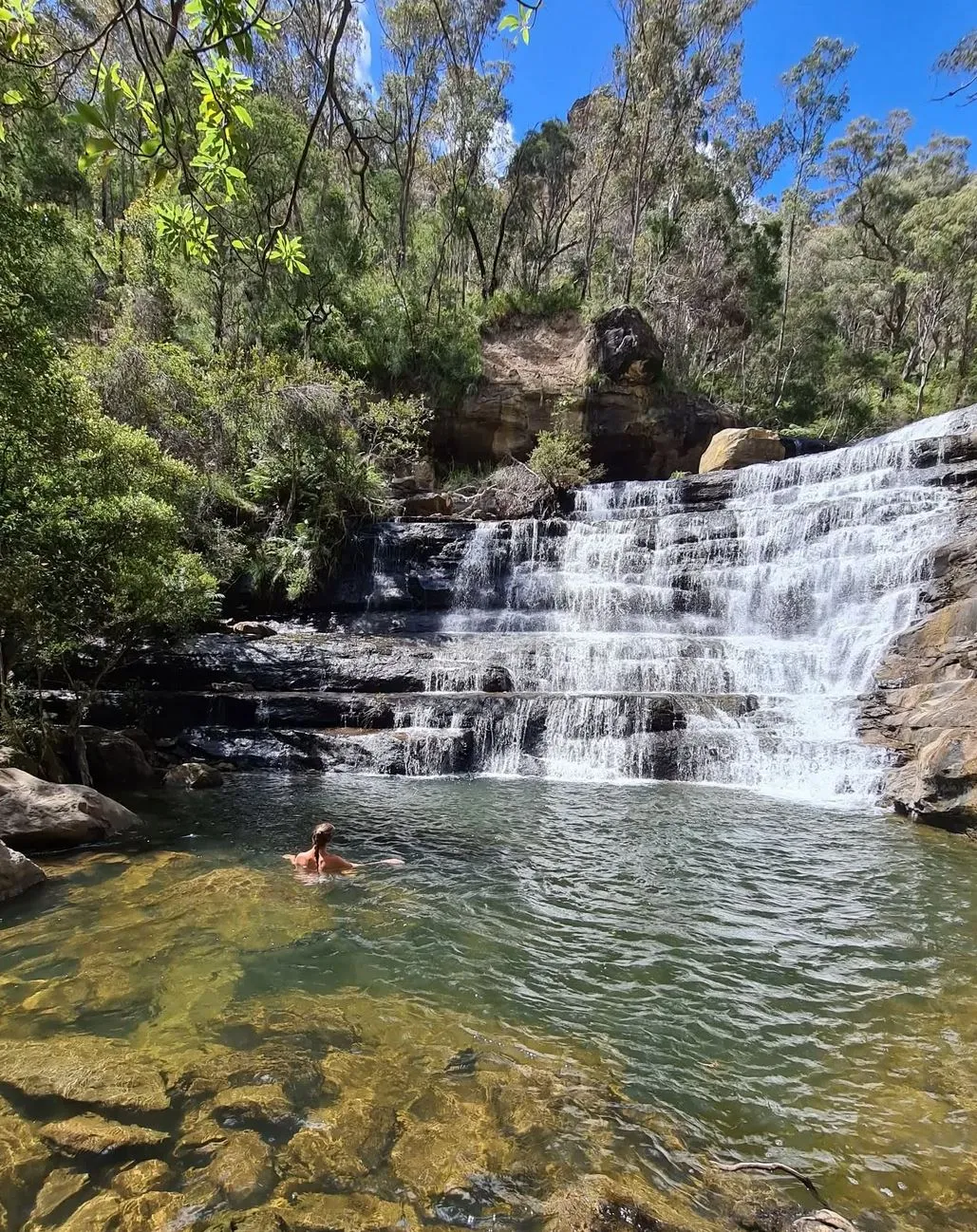
Most people zip past Mount Victoria on their way to Lithgow without realising there’s a shaded creek-line paradise just behind the old railway station. Silver Cascades is a short track that drops through mossy escarpment to a series of small, tiered rock pools.
None are big but perfect for sitting waist-deep while cicadas scream overhead. The sandstone holds the day’s warmth, so it’s ideal for an evening soak.
Why I rate it: It’s quiet. On a weekday you’ll have the whole gully to yourself — just the trickling water, kookaburras, canyon walls and the smell of wet eucalyptus.
If you need a base, nearby self-contained guesthouses in Mount Victoria are easy to find and perfect for families who want a dip and a few walks around town.
Blue Mountains Tours often include Silver Cascades as one of the lesser-known gems for a peaceful stop between lookouts.
4. Victoria Falls Creek
If you like your swims remote and your walks long, Victoria Falls Creek is your spot. The 4km return track drops from the escarpment down to one of the most dramatic valleys in the range. The falls themselves are spectacular after rain, but just downstream lies a big pool carved out by centuries of flow — deep, cold and worth the climb back up.
I first came here guiding a small hiking group in 2011. One bloke from Perth called the uphill return “the longest kilometre of his life,” but by the time we reached the top, he was already talking about coming back.
Stats at a Glance:
| Feature | Details |
|---|---|
| Track length | 4 km return |
| Difficulty | Moderate to steep |
| Elevation loss/gain | 300 m |
| Water temperature (summer) | 15–17 °C |
| Average visitation | < 40 people per day (NSW Parks 2023) |
| Facilities | None – pack out all rubbish |
The trail follows a rough fire trail that soon turns into steep steps and towering canyon walls — nature at its best. Bring plenty of water and good boots.
Many Blue Mountains Tours now include Victoria Falls Creek for those looking for an off-grid experience.
Staying Safe While You Cool Off
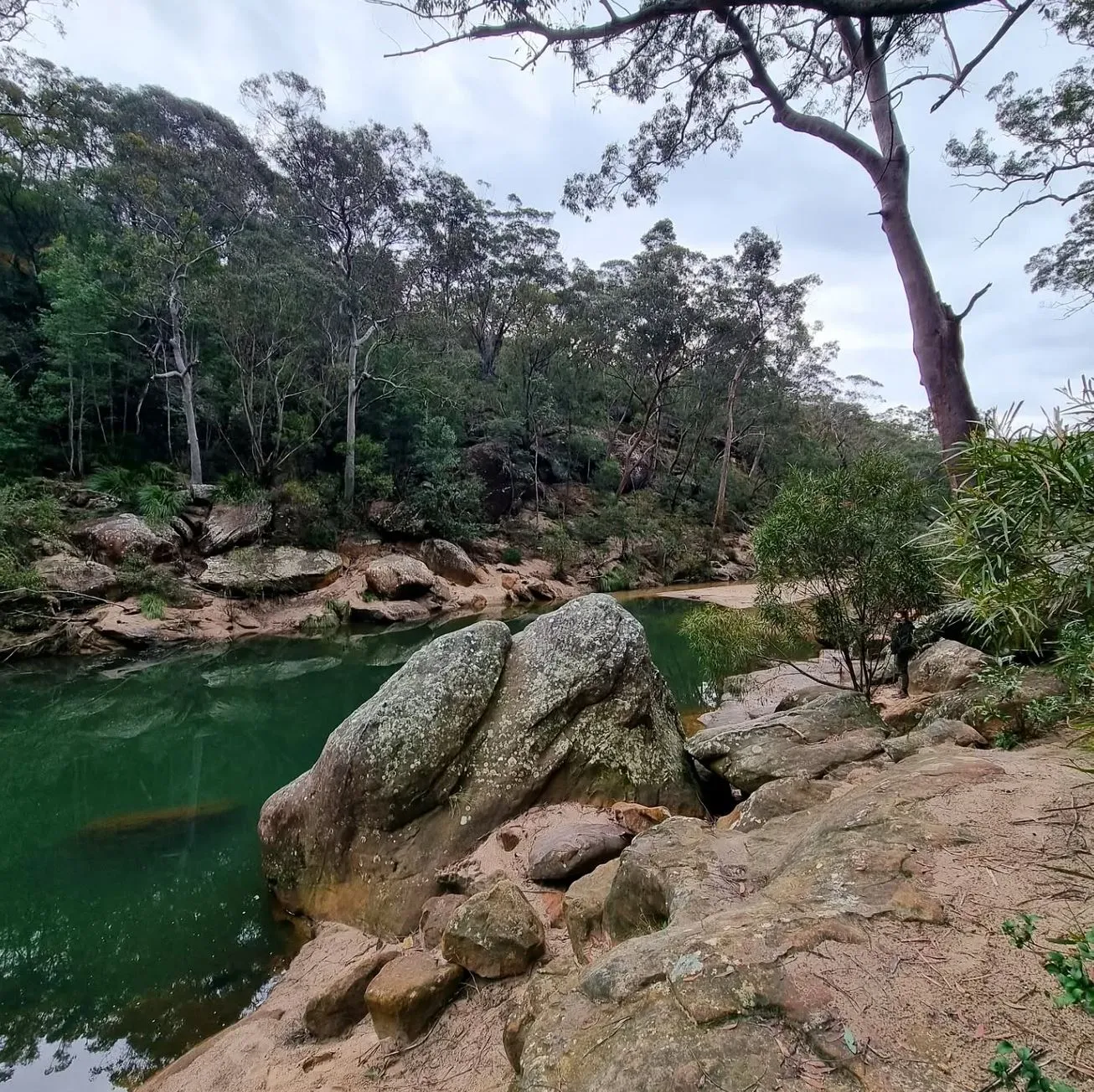
Before you grab the esky and dash for the water, check a few basics. The Blue Mountains can get wild when storms roll through. Flash flooding, slippery rock and cold shock are real risks — even for strong swimmers.
Here’s my safety checklist:
- Check conditions: NSW Parks updates closures daily.
- Wear good footwear: Not thongs.
- Avoid jumping: Water level changes after heavy rain.
- Stay croc-wise — not up here, of course, but snakes love sunny rocks.
- Leave no trace: Take everything home, even apple cores.
According to NSW Surf Life Saving (2023), over 30% of inland drownings in NSW occur at unpatrolled natural pools and rivers. A bit of common sense goes a long way — never swim alone and always tell someone your plan.
When to Go
While the Blue Mountains get most of their visitors in winter for misty lookouts and fireplaces, summer is when the creeks come alive. December to March is the warmest with daily highs of 25-30°C and heavy rainfall.
Autumn and spring can still be warm enough for a quick dip, but the water will be colder. By May, it’s below 14°C, and the mornings will freeze your socks off.
Ideal Timing Table:
| Season | Average Air Temp | Rainfall | Water Comfort | Verdict |
|---|---|---|---|---|
| Summer (Dec–Mar) | 25–30 °C | High | Best for swimming | ⭐⭐⭐⭐ |
| Autumn (Apr–May) | 15–22 °C | Moderate | Refreshing, cooler | ⭐⭐⭐ |
| Winter (Jun–Aug) | 5–15 °C | Low | Too cold for most | ⭐ |
| Spring (Sep–Nov) | 18–25 °C | Moderate | Decent balance | ⭐⭐⭐ |
Cultural and Environmental Respect
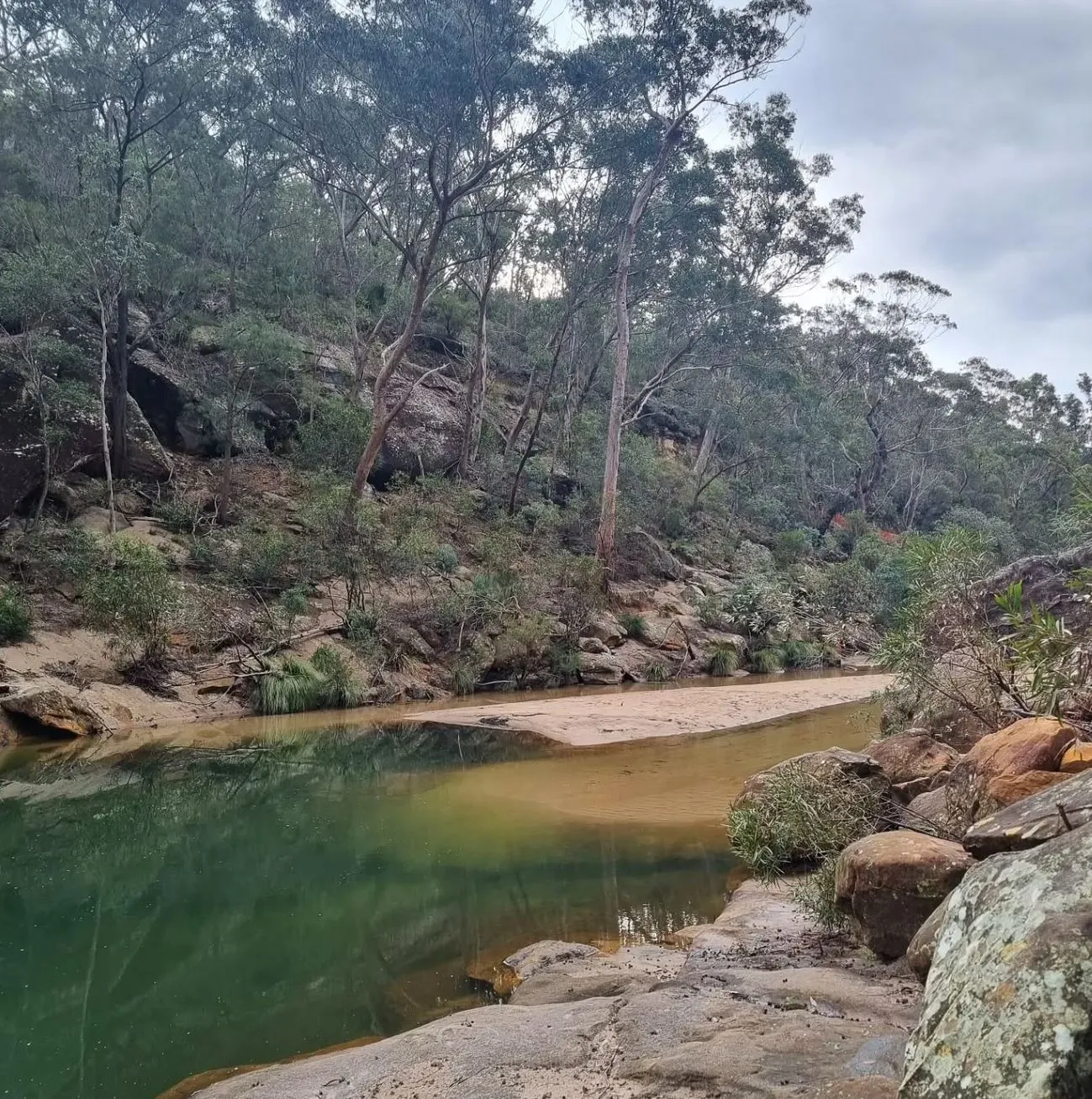
The Blue Mountains sit on the traditional lands of the Dharug, Gundungurra, and Wiradjuri Peoples, and to this day, many of these waterways hold deep meaning for the traditional owners – places where stories come alive, ceremonies are held, and life happens. When you visit the Blue Mountains, take it easy, keep the noise down and try not to wander into sacred or restricted areas.
At Get Lost Travel Group, we built our business on the principle of respecting the local culture. Part of that is working with Traditional Owners to ensure the next generation can still see these hidden waterholes as they are today.
Blue Mountains tours are all about giving people a deeper understanding of the cultural connections here and sharing insights from the local Indigenous owners about what these landscapes mean to them.
Practical Planning Notes
Getting There
- If you’re heading to Glenbrook Pool, it’s about an hour and a half down the M4 from Sydney.
- Minnehaha Falls is only a 10-minute drive north of Katoomba CBD.
- For Silver Cascades, just park up near Mount Victoria Station and you’re in luck.
- If you’re aiming for Victoria Falls Creek, you’ll need to park at the end of Victoria Falls Road – and just to be safe, a 4WD is a good idea in wet weather.
What to Bring
- Swimmers, towel, and that light rashie to keep the sun off
- Remember to bring 2 litres of water per person and some snacks or lunch – you won’t find any cafes nearby!
- Bug spray and some good sunscreen are a must, and if you want to keep your phone and keys dry, bring a dry bag.
- If you’re planning on doing a bit of exploring, you should probably book your Blue Mountains tour in advance so you can make the most of your day.
A Quick Word on Crowds and Conservation
The Blue Mountains National Park gets around 4.8 million visitors a year, according to Tourism Research Australia, but you’d be amazed at how few of them venture beyond the main lookouts. That means that these waterholes are still pretty peaceful – for now.
If you want them to stay that way, don’t be that person with the Bluetooth speaker blasting out music; stay on the formed tracks and give the wildlife some space. Just a few simple rules of bush etiquette can go a long way to keeping the magic of the bush alive.
Final Reflection: Why These Spots Still Matter
Out here, it’s not about the biggest waterfall or the most Instagrammable angle. It’s about that moment the heat drains from your body and you’re left floating under blue gums, listening to the water and forgetting the rest of the world exists.
I’ve swum in many creeks across Australia, but the Blue Mountains’ mix of altitude, shade and sandstone gives these pools something rare — that crisp, drinkable clarity you don’t forget.
So pack your swimmers, grab a mate and take the slower track. If you bump into me out there with a billy and a grin, say g’day — I’ll probably point you towards another secret bend in the creek.
Written by Paul Beames, founder of Get Lost Travel Group. All facts verified as of November 2025 using data from Tourism Research Australia and NSW National Parks and Wildlife Service.
FAQ
Are these swimming spots safe for kids?
Jellybean Pool is perfect for families with shallow edges and easy access. Others, like Minnehaha Falls and Victoria Falls Creek, require supervision and confident swimming.
Do I need a park pass?
Yes — an NSW Parks Pass is required for Glenbrook entrance ($8 per vehicle per day, 2025 rate). The others are free but within park boundaries, so always check signs.
Can I bring my dog?
No. Domestic pets aren’t allowed in Blue Mountains National Park. Try nearby off-leash areas at Blackheath if you’re travelling with a pup.
What’s the best time of day for photos?
Early morning (7-9 am) or late arvo gives the soft light that cuts through the gum leaves without glare.
Are the pools open year-round?
They are, but swimming comfort drops sharply from May through September. Always check NSW Parks for closures after heavy rain or fire danger.