
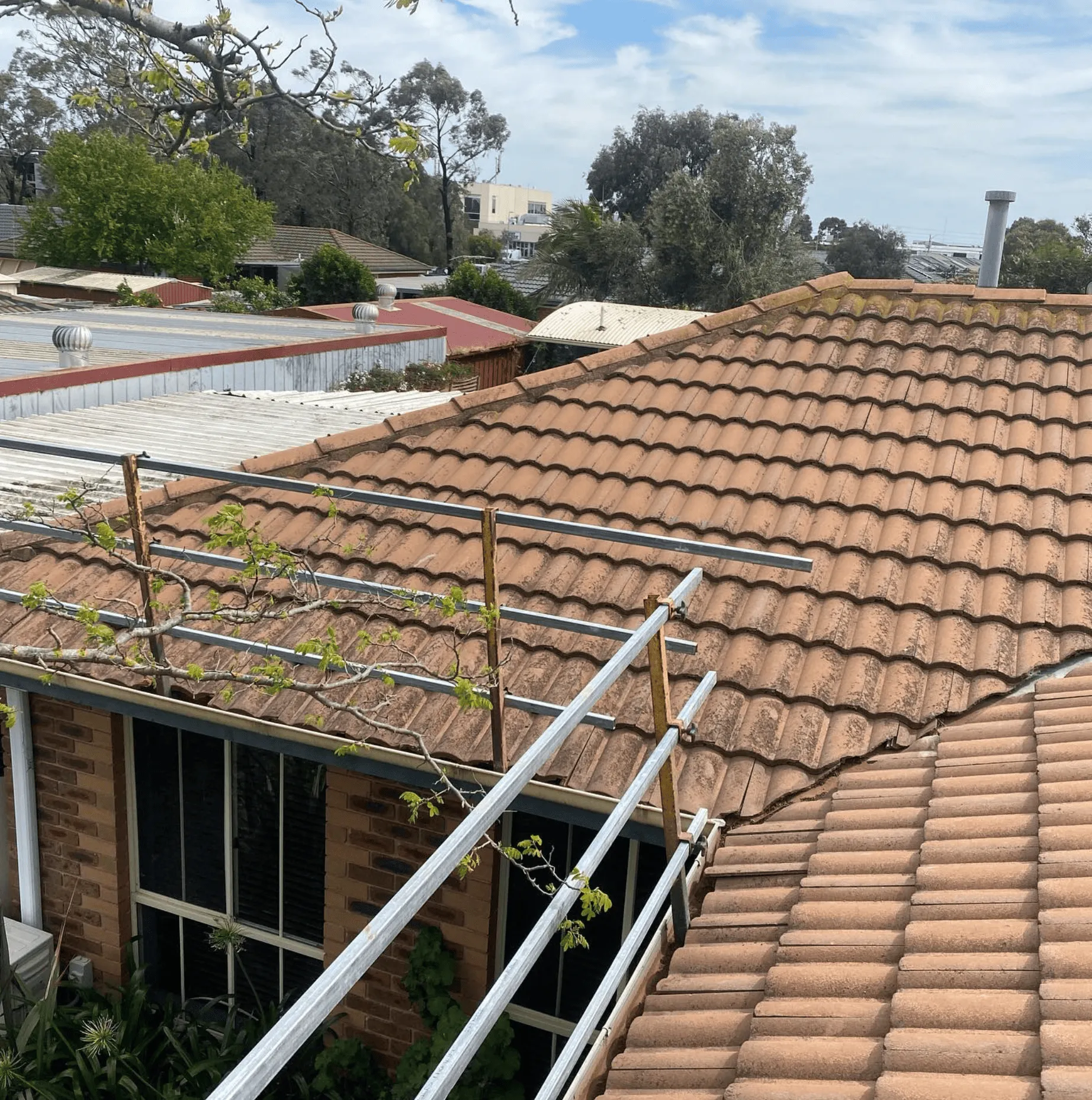
A clean roof is not just about looks; it’s about protecting your home from structural damage and costly repairs. Roof Cleaning is a part of home maintenance that when done right can extend the life of your roof materials. But done wrong or ignored can cause big damage and expensive repairs or even a new roof. In this comprehensive guide we’ll go into the best practices, safety tips and methods to have a clean roof without compromising its integrity.
Roof Types and Roofing Materials
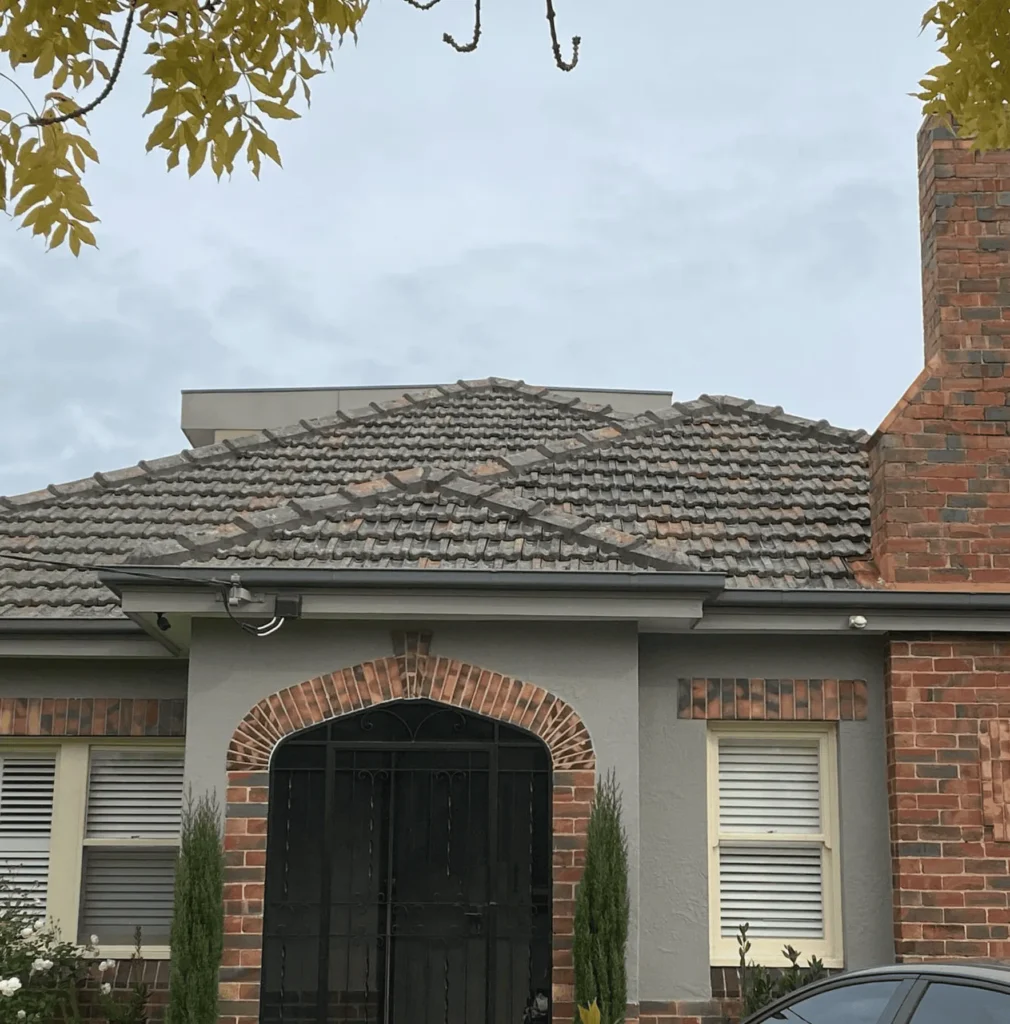
Before we start the cleaning process we need to understand the different roof types and roofing materials. Different materials need different cleaning solutions and techniques to avoid damage:
- Asphalt Shingles: These are the most common roofing material. While durable they can deteriorate if high pressure washed or exposed to harsh chemicals.
- Tile Roofs (including Terracotta Roofs and Concrete Tile Roofs): Tile roofs are tricky but can crack if subjected to excessive pressure or hit by hard objects. Soft washing and a soft-bristled brush are recommended for these types of roofing materials.
- Metal Roofs: Metal roofing is durable but can scratch and dent if abrasive tools or high-pressure washing methods are used.
- Wood Shingles or Shakes: These roofing materials need gentle cleaning to prevent water absorption, which can lead to rot or mould growth.
Choosing the right cleaning solutions and methods based on your roofing materials is crucial in maintaining your roof’s excellent condition and visual appeal.
Best Practices for Regular Roof Cleaning
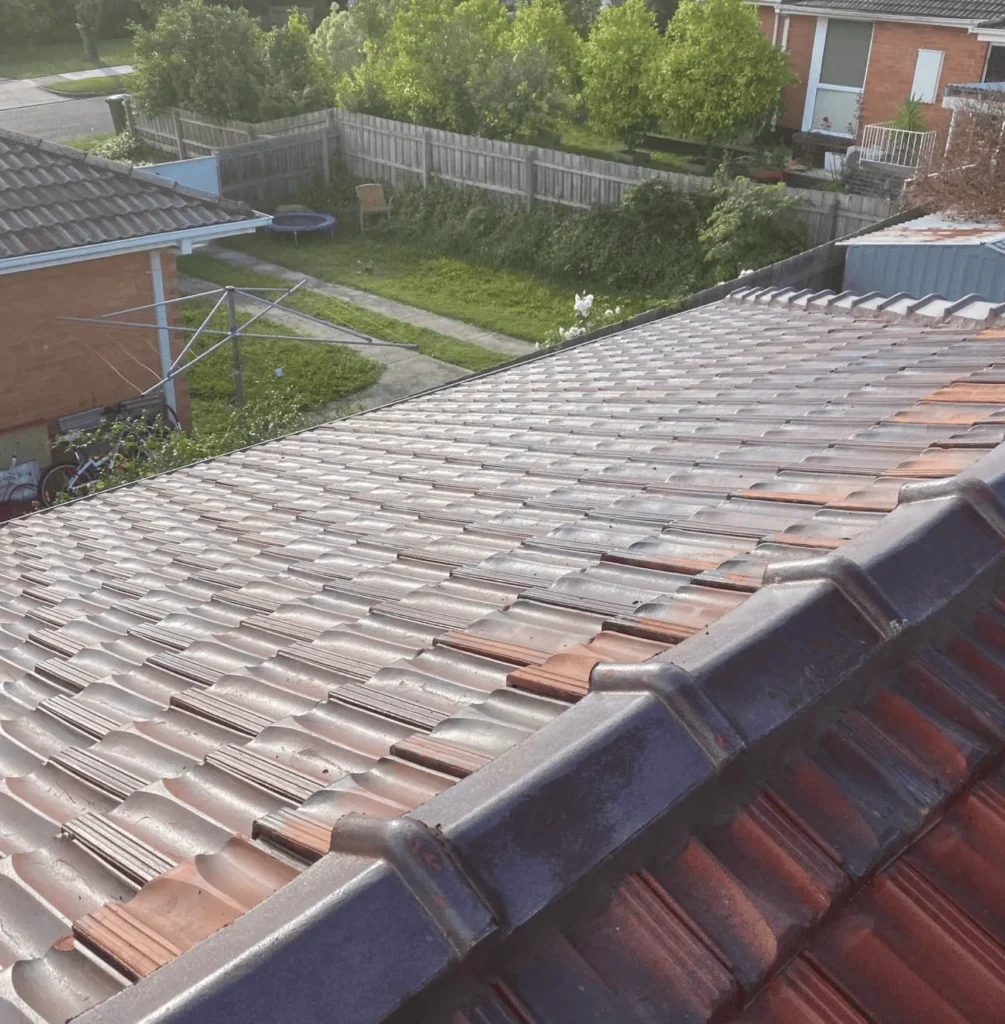
- Choose the Right Cleaning Solutions: Not all cleaning solutions are created equal especially when it comes to roofing materials. Avoid harsh chemicals that can cause long term damage or shingle deterioration. Instead opt for eco friendly solutions that remove organic matter such as algae growth without harming the roof surface or nearby plants.
- Start with Regular Roof Inspections: Regular inspections are crucial to identifying potential issues early, such as loose shingles, moss growth or debris buildup. Addressing these minor issues through regular maintenance can prevent them from becoming structural damage or costly repairs.
- Soft Washing: When cleaning roofs especially those with delicate roofing materials like tile roofs or wood shingles use soft washing. This method involves low-pressure water mixed with the right cleaning solutions to gently remove dirt and organic growth without causing extensive damage.
- Use the Right Tools: The tools you use can make a big difference in the effectiveness of your roof cleaning process. A soft bristled brush or soft brushes are ideal for cleaning delicate roofing materials. Avoid metal tools or abrasive tools that can scratch or damage the roof surface.
- Keep Gutters Clean: Keeping gutters clean and free of debris is part of the roof cleaning process. Clogged gutters can cause water backup and water damage or signs of leaks along the roof edge. Regular maintenance of gutters can prevent these issues and keep your roof in top shape.
- Regular Roof Maintenance: Regular Roof Cleaning should be part of a broader maintenance routine that includes checking for signs of damage such as cracked roof tiles or weak spots. Seasonal maintenance especially after extreme weather conditions is crucial to prevent long term damage.
Safety Precautions During Roof Cleaning
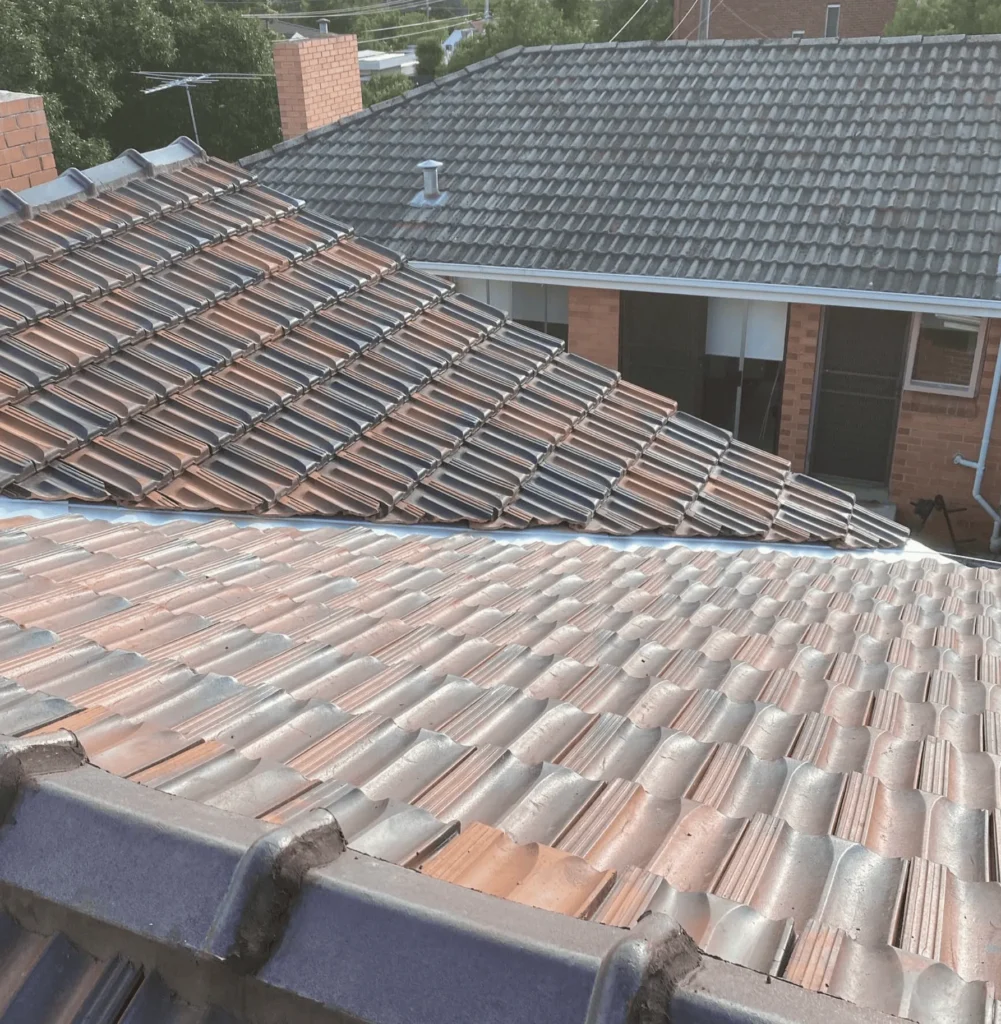
- Wear the Right Gear: Safety gear is a must when cleaning your roof to avoid accidents. Non-slip shoes or slip resistant shoes, safety goggles and a safety harness are the minimum protective gear you should wear. This way you can focus on cleaning without the risk of falls or injuries.
- Secure Ladders and Tools: Using sturdy ladders that are properly secured is key to safe roof cleaning. Always make sure your ladder is on stable ground and consider using a safety belt or safety nets for extra protection against falls.
- Check the Weather: Always check the weather forecast before starting your roof cleaning project. Avoid cleaning your roof during windy conditions, heavy rainfall or other hazardous conditions that can make the roof surface slippery or increase the risk of accidents.
- Hire Professional Roof Cleaners: If you’re unsure how to clean your roof safely or if your roof has steep slopes or potential safety hazards, hiring a professional roof cleaning service is the way to go. Professional roof cleaners have the experience, specialized equipment and adherence to safety protocols to do the job safely and efficiently.
Identifying Roof Damage and Taking Precautions
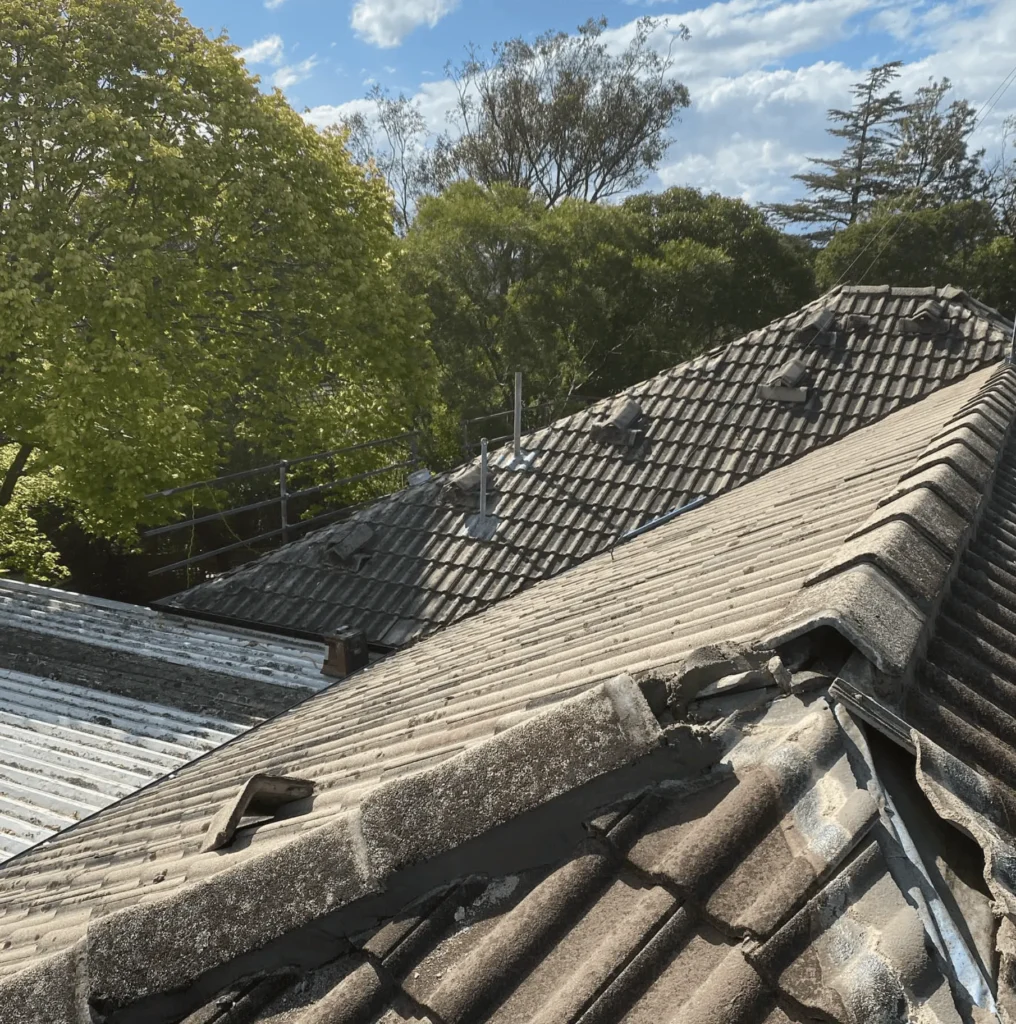
- Roof Damage Signs: During your regular roof inspections, look for signs of roof damage, such as loose tiles, water stains or visible damage to the roofing material. These signs can indicate potential roof damage that, if not addressed, can lead to structural issues or costly repairs.
- Precautions: Applying protective coatings or ensuring proper water drainage can reduce the damage over time. These can also maintain the aesthetic and curb appeal of your home.
- Avoiding Costly Repairs: Regular roof cleaning and maintenance combined with timely minor repairs can prevent extensive damage repairs. For example addressing moss growth or debris buildup early can prevent water leaks and structural damage that would otherwise lead to costly repairs or even roof replacement.
- Choosing the Right Cleaning Method: The method you use for roof cleaning can affect the life of your roof. For instance high pressure washing may seem like an effective method but it can cause unnecessary wear and tear leading to premature deterioration of the roofing material. Instead use soft washing which is effective and safe for most types of roofing material.
- Dealing with Organic Matter: Organic matter such as moss, algae and debris can create an environment for further growth leading to roof damage over time. Regular cleaning combined with biocidal roof wash solutions can prevent organic re-growth and keep your roof in excellent condition.
Professional Assistance
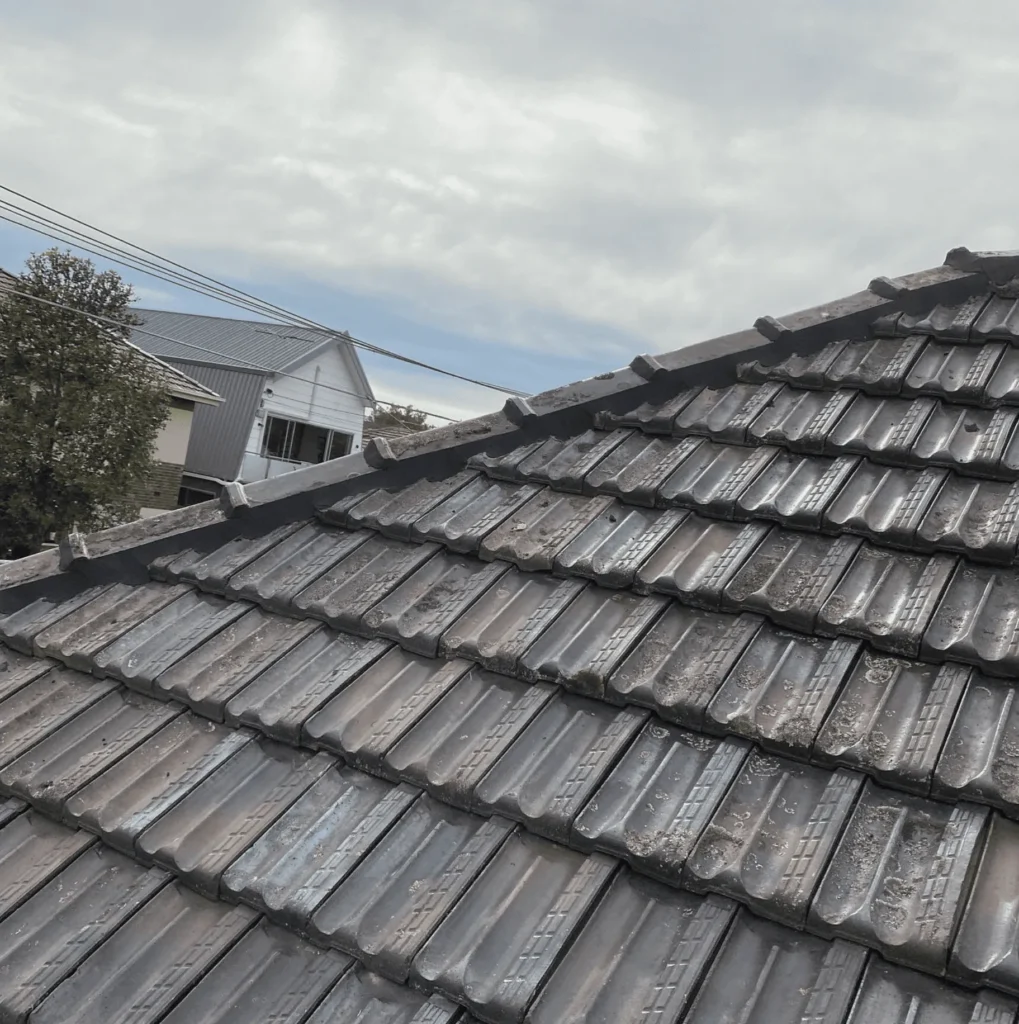
- When to Call a Pro: While roof cleaning can be a DIY project, there are times when professional help is needed. For example, roofs with steep slopes, extensive moss growth or signs of severe damage should be cleaned by Roofing Specialists or professional cleaning services to avoid risk and ensure proper cleaning.
- Benefits of Hiring Roofing Experts: Professional roof cleaners bring expertise and specialized equipment to the table so the cleaning is thorough and safe. They can also provide roof maintenance tips and minor repairs or apply protective coatings to extend the life of your roof.
- Avoiding Risks: By hiring a pro you avoid the risks of improper roof cleaning methods such as using a pressure washer that can damage the roof surface or not following safety protocols. Professionals follow safety tips and use high pressure washing techniques where necessary so your roof stays in top condition.
Conclusion
Regular Roof Cleaning is not just about enhancing curb appeal; it’s about protecting your home from costly damage and ensuring the longevity of your roofing materials. By following best practices, such as using soft washing techniques, choosing the right cleaning solutions, and conducting regular inspections, you can maintain a clean roof that stands the test of time. Remember, safety precautions are crucial, whether you’re undertaking a DIY project or hiring professional roof cleaners. With the right approach, you can prevent potential roof damage, avoid expensive repairs, and keep your roof in excellent condition for years to come.
FAQ
How often should I get Regular Roof Cleaning?
Regular Roof Cleaning should be done at least twice a year, spring and fall. This will remove debris, prevent moss and algae growth and identify any roof damage early.
Can I use a Pressure Washer on all types of roofing materials?
No, using a pressure washer on delicate roofing materials like asphalt shingles or tile roofs can cause damage. Use soft washing, such as soft wash roof cleaning, or consult with Roofing Specialists for the right cleaning method.
What are the risks of not cleaning my roof?
Not cleaning your roof regularly can leave your roof dirty with debris, organic growth and water damage. Over time this can cause structural damage, leaks and costly repairs or even roof replacement.
Are there eco-friendly cleaning solutions?
Yes, there are eco-friendly cleaning solutions for roofs. These solutions remove dirt and organic matter without damaging roofing materials or the environment.
Do I need to get professional roof cleaning?
If your roof is hard to access, has delicate roofing materials or has severe damage, get professional roof cleaners. They have the right equipment, expertise and safety gear to clean your roof without causing more damage.