
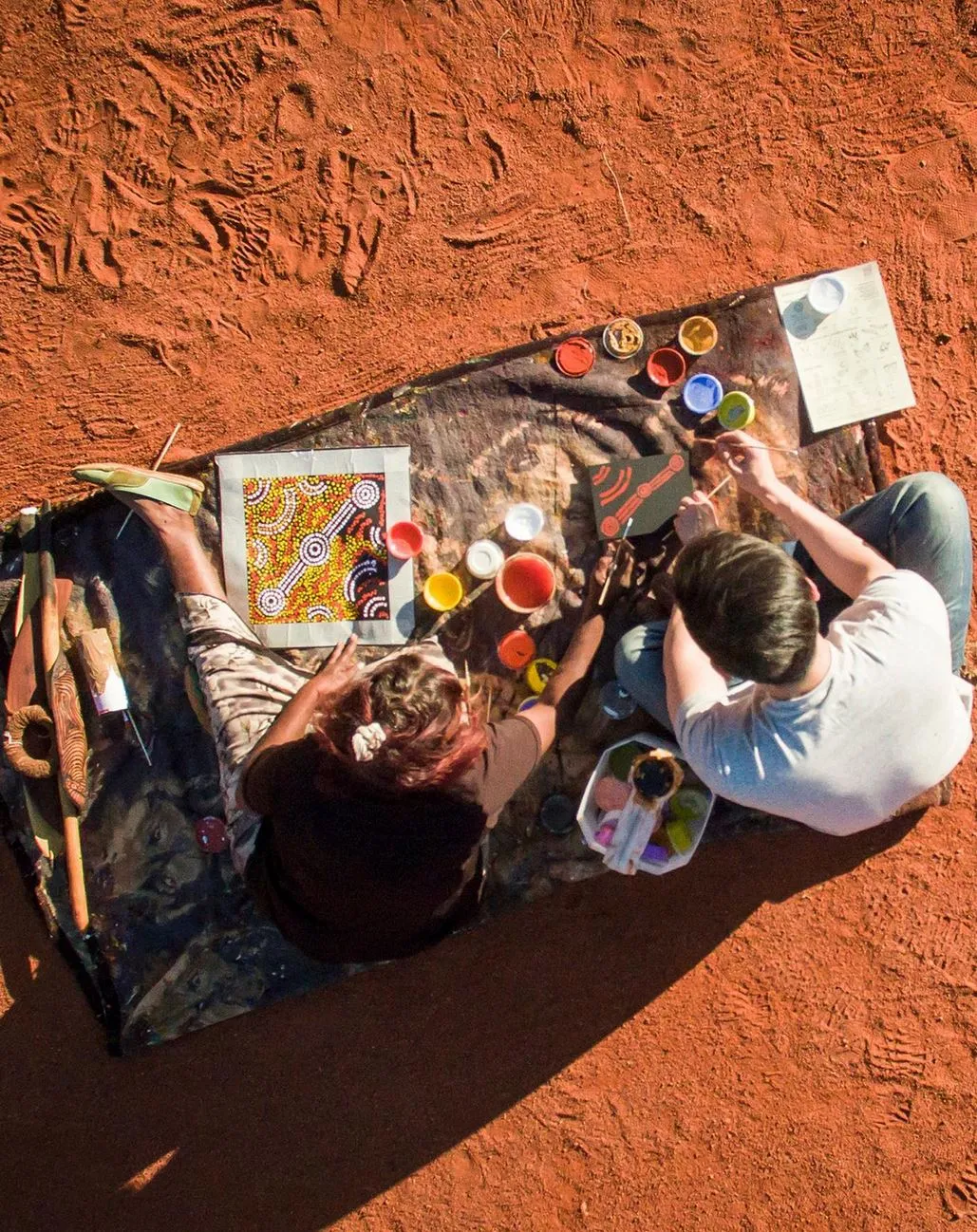
The question: Which Cultural Tours in Alice Springs Are Led by Anangu Guides? is more than just a travel tip — it’s an invitation to see the heart of Australia through the eyes of its first storytellers. I’m Paul Beames, and after years crossing the red roads around Alice, I can tell you there’s no better way to understand this country than alongside the Traditional Custodians themselves. The Anangu guides bring to life the landscape, the creation stories and the cultural history that’s deeper than any map can show.
Why Travel With Traditional Owners
There’s something special about hearing Country spoken for — not about. When Traditional Owners lead tours around Alice Springs, you’re not just hearing facts; you’re standing where ancient rock art was carved, where bush tucker has sustained generations and where sacred sites still hold stories passed down from generation to generation. These guides don’t perform for visitors — they share their world so that future generations can keep learning from it.
Travelling this way turns sightseeing into understanding. You’ll leave with respect — and a few red-dusted boots to prove it.
Authentic Cultural Tours
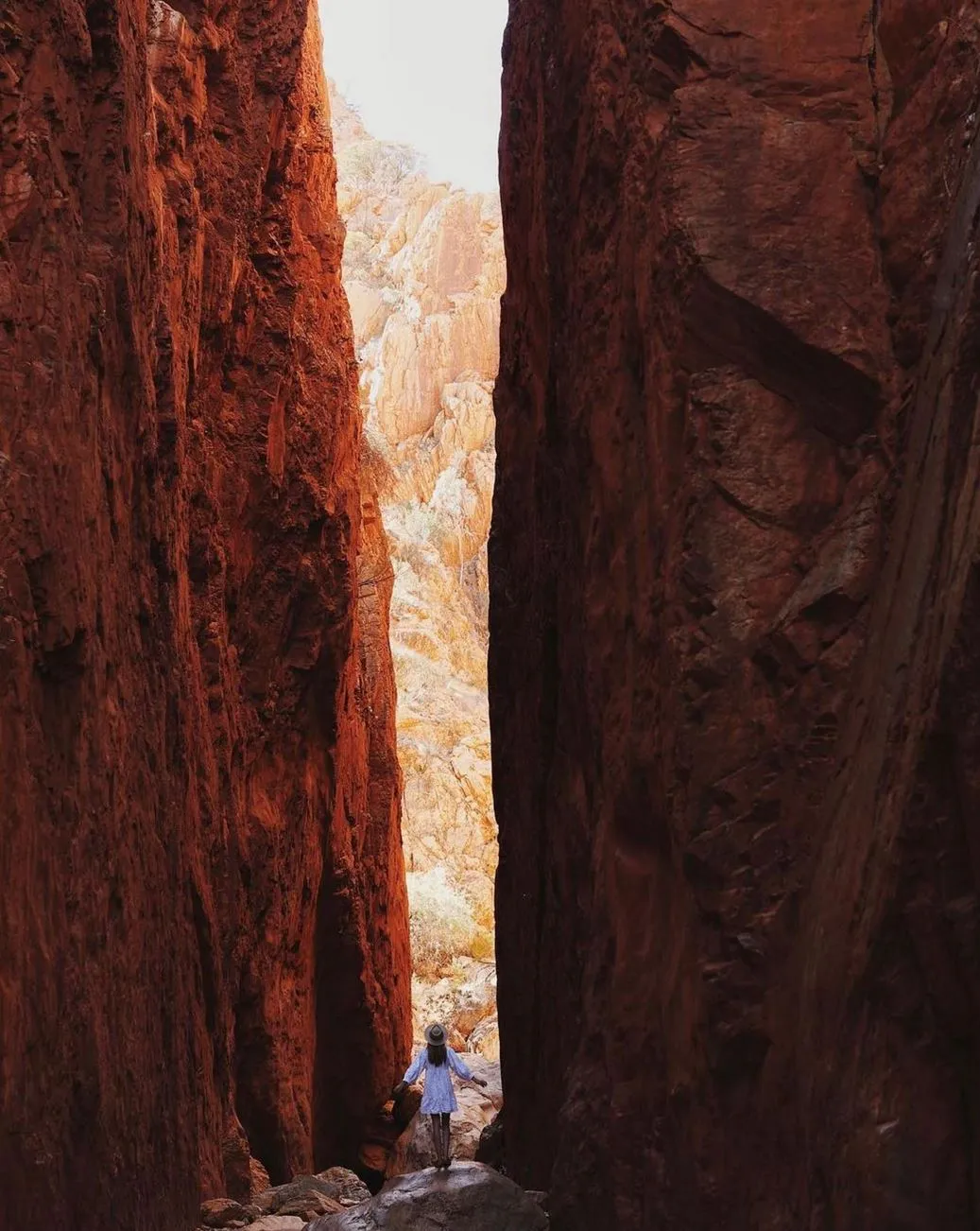
Alice Springs is at the crossroads of ancient lands — the meeting place of the Arrernte and Anangu peoples. Around town, several tours and cultural centres offer experiences guided directly by Traditional Owners and their families. Here’s a snapshot:
| Tour/Experience | Led By | Highlights | Duration | Cost Range (AUD) |
|---|---|---|---|---|
| Standley Chasm Walk & Talk | Arrernte guides | Sacred women’s site, Dreaming stories, bush food tasting | 1.5 hrs | $25–40 |
| Yarrenyty Arltere Art Centre Visit | Local artists | Carving workshops, painting workshops, and community stories | 2 hrs | $30–50 |
| Mbantua Gallery Cultural Walk | Anangu guides | Ancient rock paintings, interpretive stories, and a gallery visit | 1.5 hrs | $35–60 |
| Desert Knowledge Centre | Traditional owners | Bush medicine, ancient tools, fire-making | 2 hrs | $45–70 |
| Olive Pink Botanic Garden Tour | Indigenous people | Bush tucker, desert botany, Dreamtime tales | 1 hr | $25–40 |
These tours show just how varied and amazing Aboriginal-led experiences in Alice can be. Each one connects you to sacred land, ancient landscapes and the outback scenery that is this place.
The Creation Story of Country
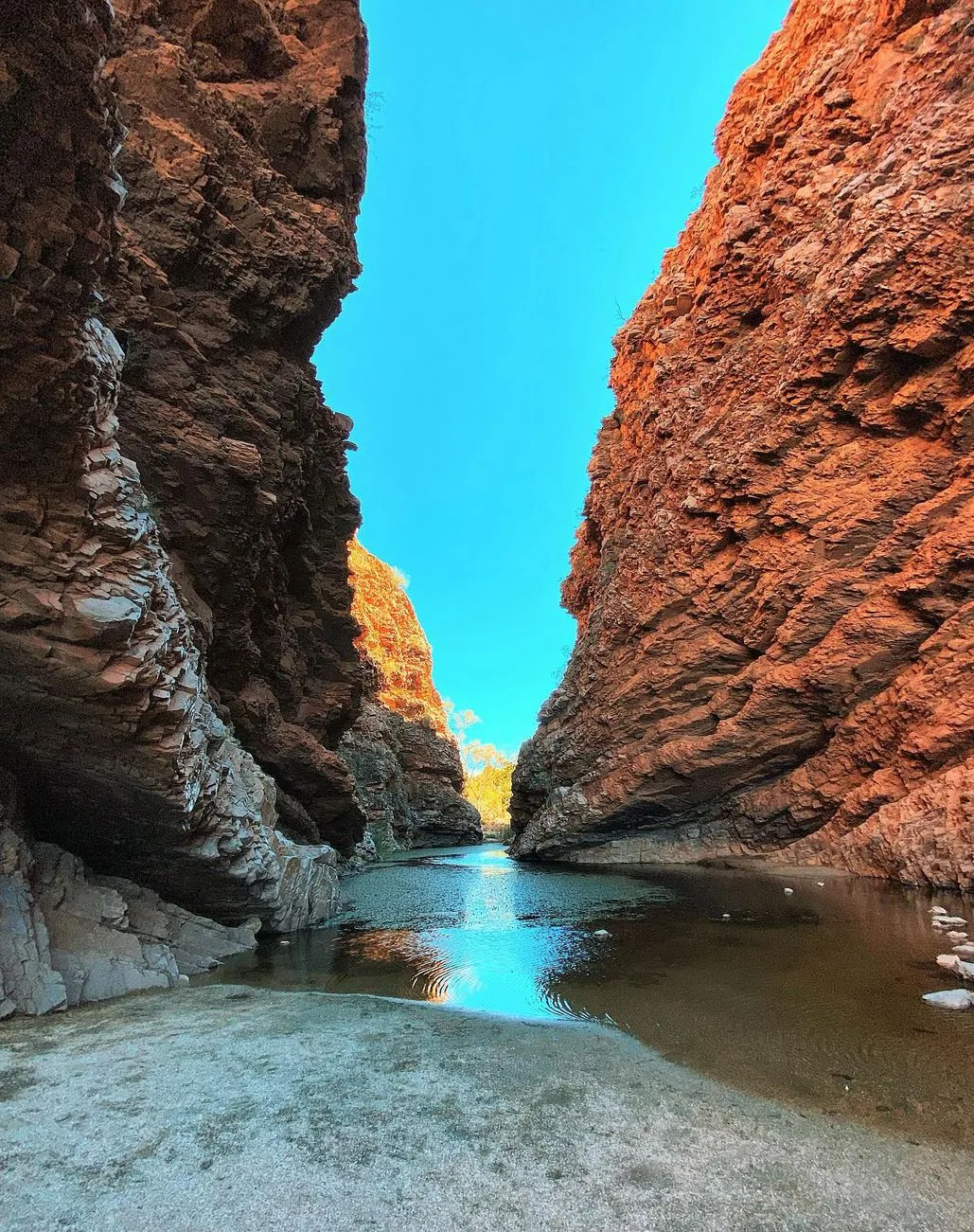
Every Anangu-led experience starts with a story — the backbone of Aboriginal culture. The creation story of this country isn’t just told, it’s lived through the landforms, plants and even the silence between words. Around Alice Springs, you’ll hear stories of the caterpillar ancestors that shaped the MacDonnell Ranges, the waterholes formed by spirit beings and the ancient rock art that’s older than any book.
When I first joined a cultural walk through Simpsons Gap with an Anangu elder, I was struck by how every rock, every tree had meaning. He spoke softly but carried the kind of authority that comes from walking in the Country since childhood. It wasn’t a lecture — it was a homecoming.
Bush Tucker, Fire and Survival
Bush tucker isn’t just about food; it’s a lesson in reading the landscape. On an interpretive tour with Traditional Owners, you’ll learn which plants heal, which feed and which bite back. From wattleseed and bush tomatoes to the sweet nectar of grevillea, these ingredients tell stories of survival and ingenuity.
Fire-making demonstrations show how skill meets respect — only lighting when needed, never wastefully. Some tours include hands-on workshops where you can try grinding ochres, making traditional tools or learning how stories are painted onto canvas or carved into wood. Those carving workshops and painting workshops aren’t about creating souvenirs; they’re about learning how knowledge travels from generation to generation.
The Meaning Behind Ancient Rock Art
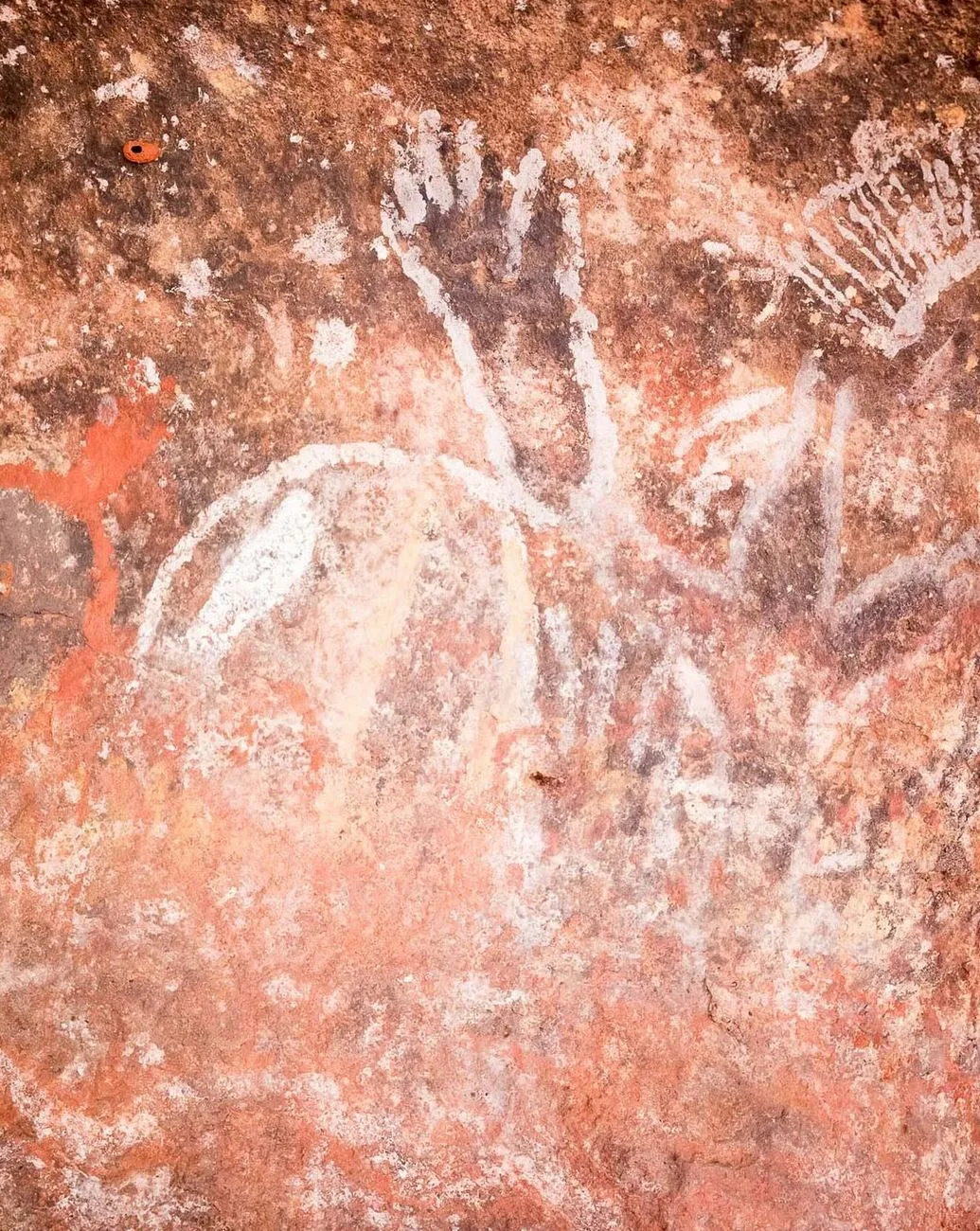
It’s easy to see patterns in ancient rock art. But when Anangu guides interpret those markings, you realise they’re not just drawings — they’re records, history books etched into ancient rock faces. Around Alice Springs, you’ll find sites where rock paintings depict waterholes, animals and ancestral journeys. Many are still used today in ceremonies, linking the past to the present.
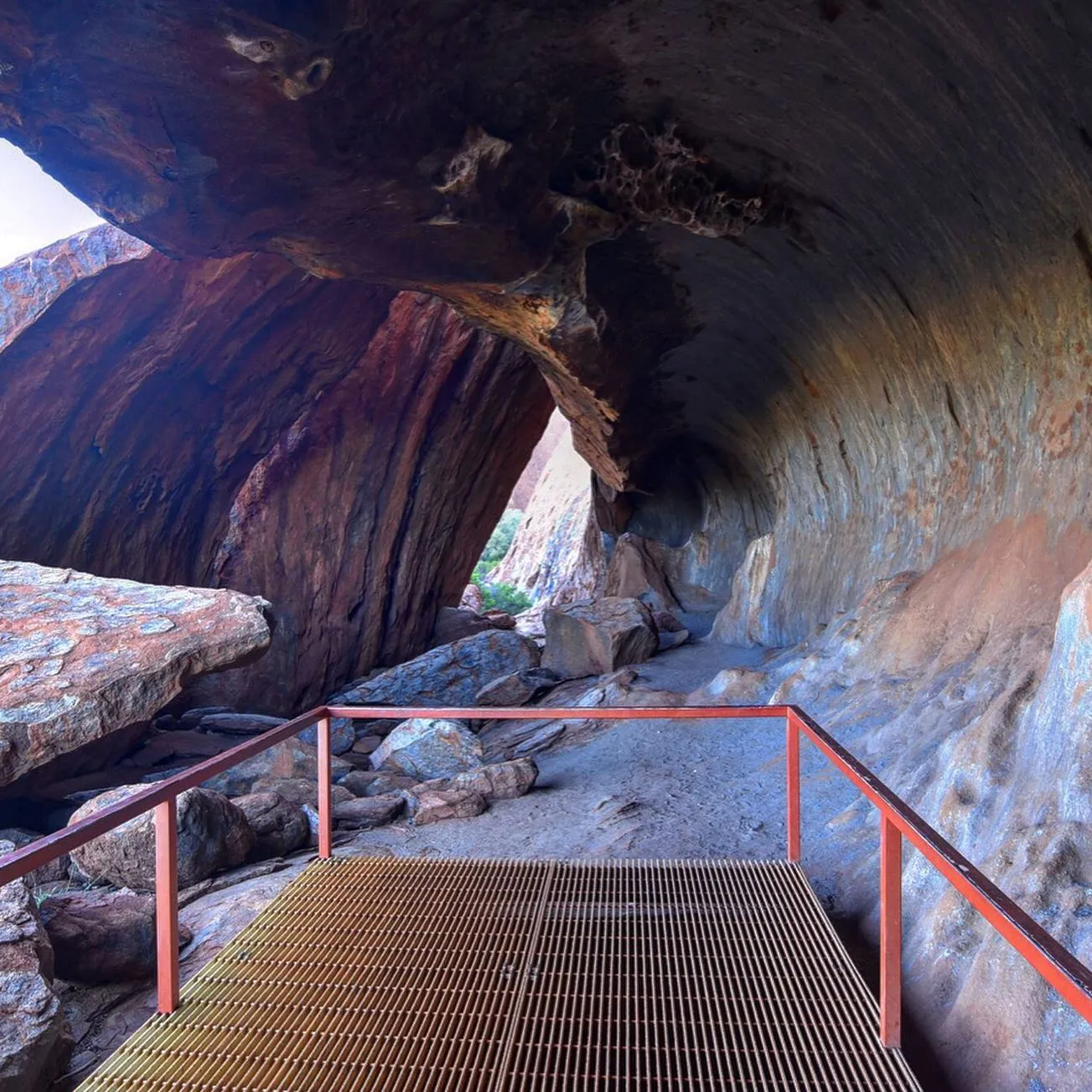
Local guides will share how pigments were made from ochre and ash, and why some sites are gender specific or restricted. Respect for sacred land is central to every visit — photography is sometimes off-limits and listening is always encouraged.
The Living Landscape: More Than Just Scenery
The landscapes around Alice aren’t just outback scenery; they’re a living system where everything has a purpose. The Anangu call this Tjukurpa — often translated as Dreaming or Law, but it’s more than either word can describe. It’s how life, story and land connect.
Standing among the ancient landforms of the West MacDonnell Ranges, you start to see the landscape differently. The iconic landscapes around Alice — the red ridges and spinifex plains — have meaning that goes back tens of thousands of years. When you travel with Anangu guides, they’ll help you see the invisible threads that bind it all together.
Exploring the Heart of the Outback
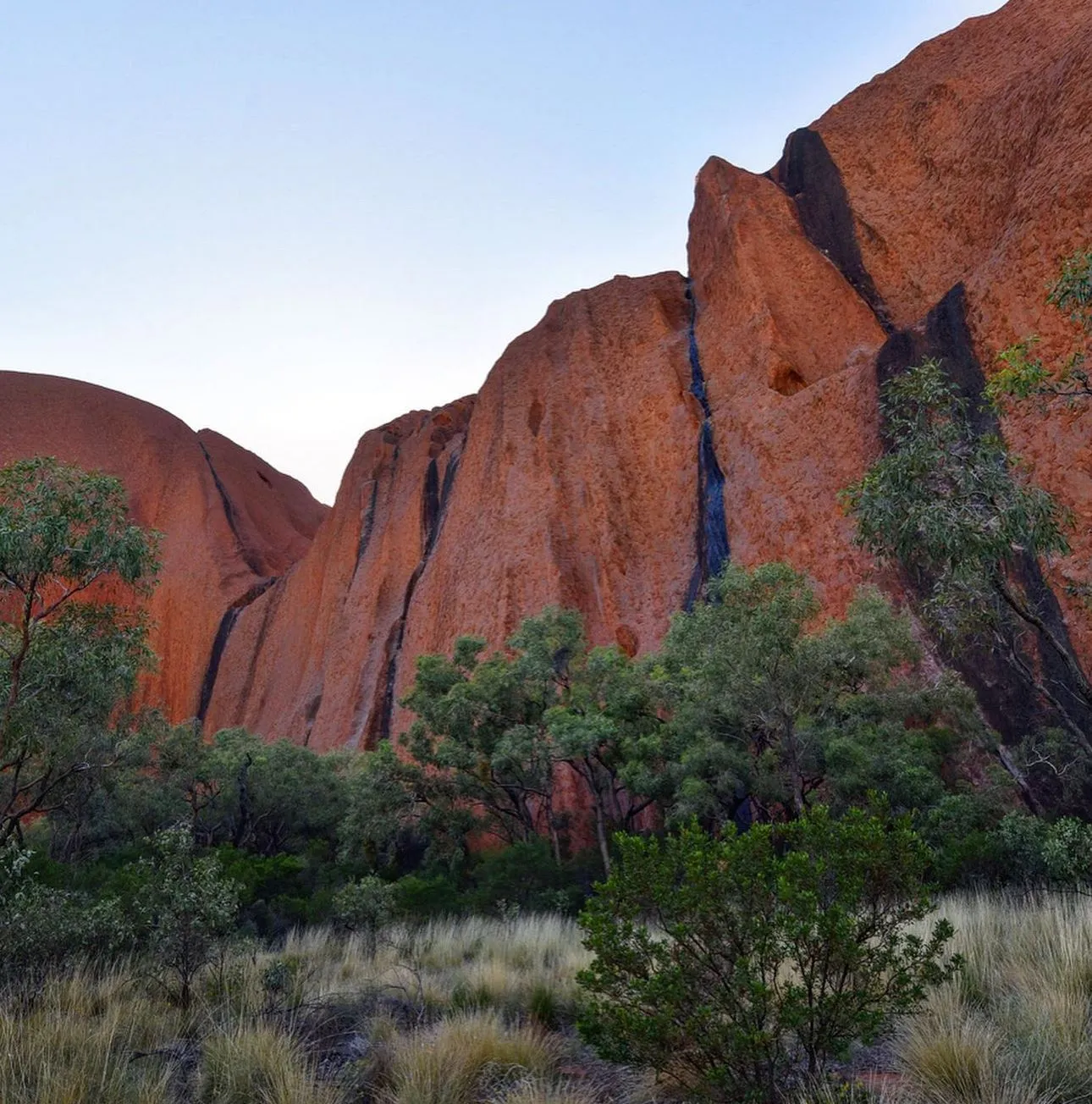
When it comes to Uluru, most people know it as this incredible rock that’s just a massive part of Australian culture. But the journey to get to Uluru from Alice Springs – that’s a whole other story. The 4 Day Alice Springs Uluru Tour with Uluru Ayers Rock Tours takes you from the very centre of Alice out into the desert, over the tracks that our ancestors used to walk before us. Sounds like your average tour, but this one is built around respect for the Traditional Owners of the land, deep conversations, and a real connection with the sacred places we visit.
Even if all you’ve got is a day or two in Alice Springs, taking part in a local Anangu-led walk before you head out will give you some amazing context. When you put your foot on the country, you’ve already got a sense of its rhythm.
The Importance of Keeping Our Culture Alive
Cultural tourism in Alice Springs isn’t just about tourists coming in and learning a bit about our culture – it’s about our communities getting to share that with them. When you choose to go with a tour run by Anangu or another Traditional Custodian, you’re actually supporting people who are working their tails off to keep our stories, language and ceremonies alive. The money you put in supports things like youth programs, art projects and all the rest of it.
This is more than just going on a holiday – it’s actually helping to keep our culture strong for our future generations. Every time a visitor takes the time to listen, learn and respect the land, they’re putting in a brick to the wall of connection here in this incredible landscape.
Planning Your Visit
Before you start booking up, here are a few practical tips from someone who’s made their fair share of mistakes on this trip:
- The weather in the Red Centre is all over the shop – pack for the heat, pack for the cold – you never know what you’re going to get.
- Permits can be a thing in some places – especially when you’re visiting Aboriginal land. Most guided tours will take care of it for you, though.
- Respect is key—always do what your guide tells you to do, especially when you’re around sacred sites or places that are off-limits to certain people.
- If you’re planning to visit during the wet season, make sure you’re prepared for some changes to your plans. The dry season (May to Sept) is probably the best time to come.
- Lastly, try to support the tours that are run by the Traditional Owners themselves – that way you’re keeping the profits local and the stories alive.
More Than a Pit Stop
Many people see Alice Springs as a stop on the way to Uluru, but that’s missing the point. This town is at the centre of some of the oldest storytelling countries on Earth. Spend a few days with Anangu guides, and you’ll see the journey isn’t measured in kilometres, but in connection.
Alice Springs is a living classroom — part history book, part outdoor art gallery, part community. From the art centres to the bush tracks, everything here beats to the land.
Final Reflection
Travelling around Alice Springs with an Anangu guide isn’t just a trip to cross off your list; it’s a genuine act of respect, learning and shared pride. These are the voices of the land itself, telling stories of ancient rock, sacred ground and the generations who’ve walked this path before us. Whether you join a short interpretive walk or the longer 4-Day Alice Springs Uluru Tour with Uluru Ayers Rock Tours, bear this in mind: every step you take should show respect to the people who were there long before you – the original custodians.
FAQ
Can you visit Aboriginal cultural sites in Alice Springs without a guide?
Some places are open to the general public, but many sacred or culturally significant sites require permission or a guide. Joining a tour led by the Traditional Owners is the way to do it if you want to access these places with any semblance of respect and actually learn the real stories behind them.
Are the Anangu guides from Alice Springs or Uluru?
The Anangu are the Traditional Custodians of the wider Central Australia region, which includes parts of both Alice Springs and Uluru. Many of the guides work across both areas, sharing their knowledge of the interconnected songlines and the cultural history that accompanies them.
What do I need to bring on a cultural walk?
Bring water, a hat, some sunscreen, and a bit of curiosity. Some tours will take you on light walks over rocky terrain, so sturdy shoes will be helpful. Just remember: don’t take any photos unless you get the guide’s green light.
How do cultural tours help out local communities?
The money from Aboriginal-led tours often funds community programs, art centres, and youth initiatives. By choosing an Anangu-led tour, you’re keeping the culture alive and providing a sustainable way of life for the people who live here.
What makes an Anangu-led tour different from all the other tours?
Authenticity and depth. You’re not just walking around looking at the land, you’re actually learning from the people whose ancestors helped shape it. Every rock, every plant, every story has a load of meaning behind it that can only be shared by the Traditional Owners.