
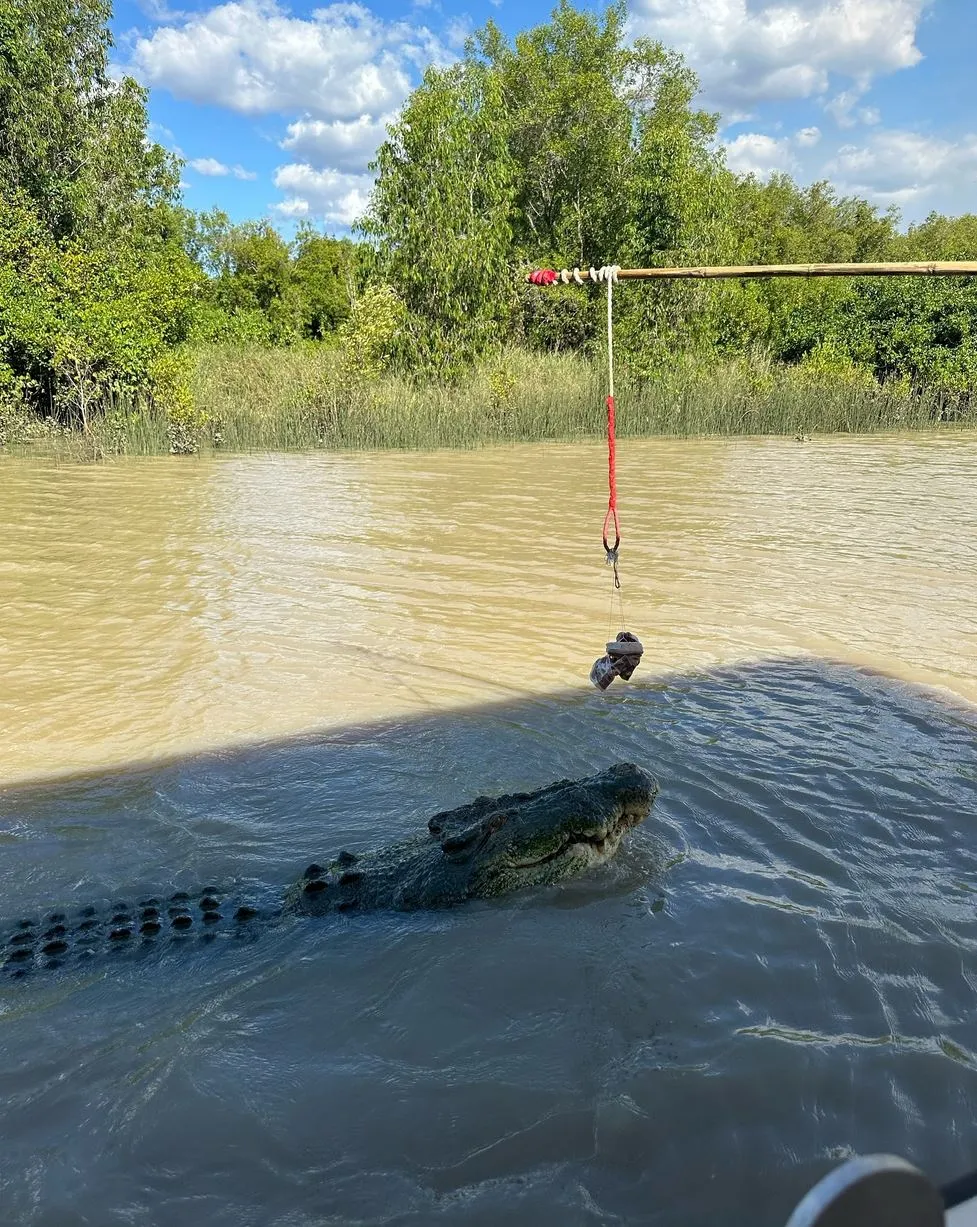
How close do kids actually get to crocodiles on the cruise? It’s the first thing parents ask me – usually even before they get the word “Darwin” out of their mouths. The short answer is this: kids get close enough to see every scale and tooth, but close enough to be in real danger? Not a chance. On a properly run Jumping Crocodile Cruise from Darwin, kids get to get up close – but not anywhere near close enough to worry about.
I’m Paul Beames, and I’ve spent years showing people around the Northern Territory, including many nervous parents with wide-eyed kids. I’ve done a bunch of these cruises, and I can tell you that generally, people get a pretty clear idea of what to expect. Most people picture some crazy, unpredictable situation where kids could get hurt, but that’s just not what happens.
Parent Expectations Versus Reality
When your family is thinking of doing a Jumping Crocodile Cruise, most parents picture a croc lunging out at the boat and a kid leaning over the edge trying to get a better look. Reality is just the opposite of that. A reputable Jumping Crocodile Cruise uses large, stable boats to ensure everyone feels safe. If you can imagine a rickety tinny – that’s not what you’re getting.
Children are seated well back from the boat rail, and everyone must wear a life jacket. Before you even get going, the guides lay down the rules for you – no leaning over the edge, no hands over the side, no sudden movements. It’s all pretty straightforward, and the guides keep repeating it till everyone gets the message.
What your kid will actually get to see:
- Crocs are popping up right out of the water next to the boat
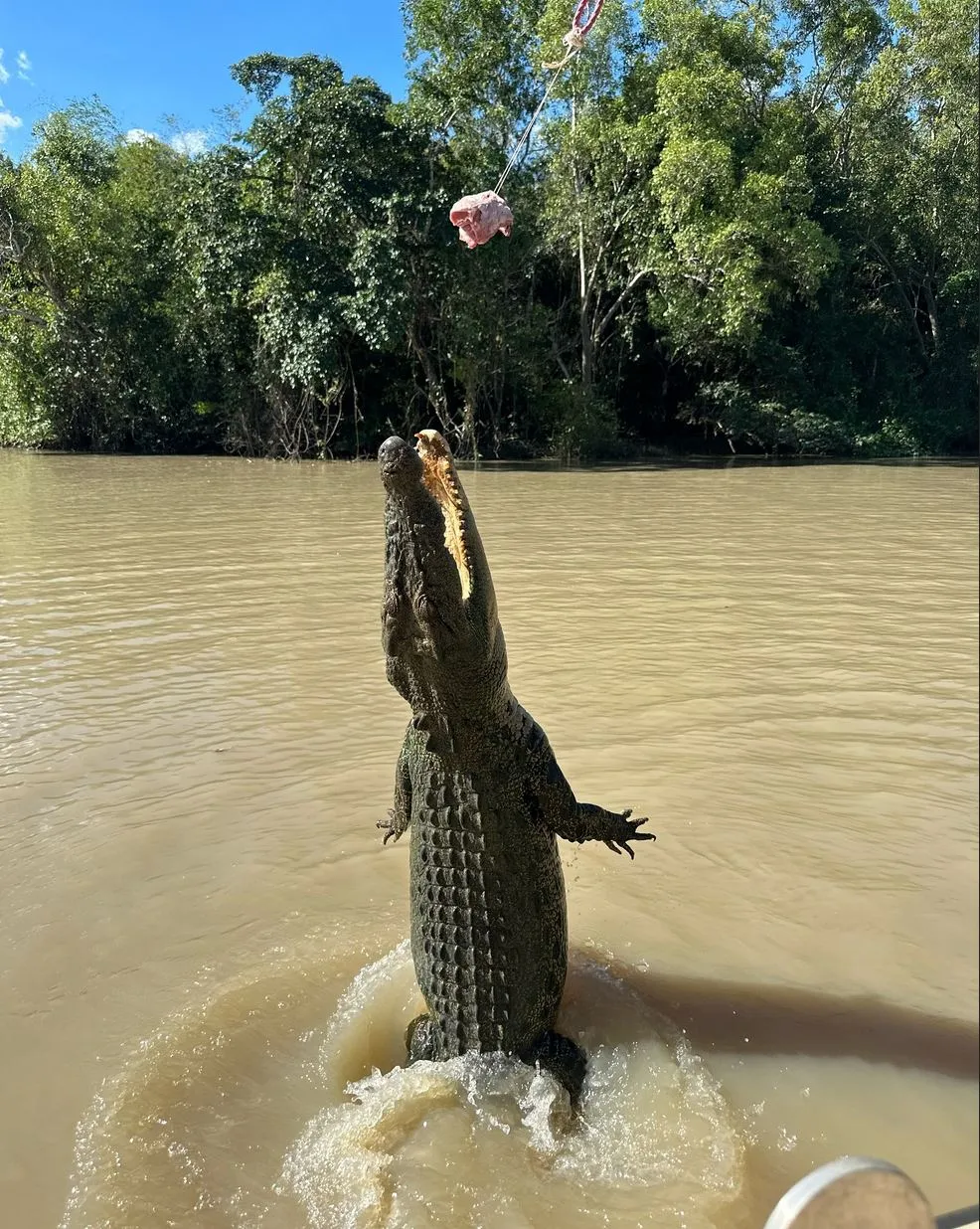
- A bunch of controlled crocodile feeding, where they jump right up
- A magnificent view from the higher decks
- Guides talking about why the crocs are behaving in a certain way – not hyping things up to make it sound more exciting
It’s still pretty exciting – but it’s also pretty safe.
Where These Cruises Run And Why It Matters
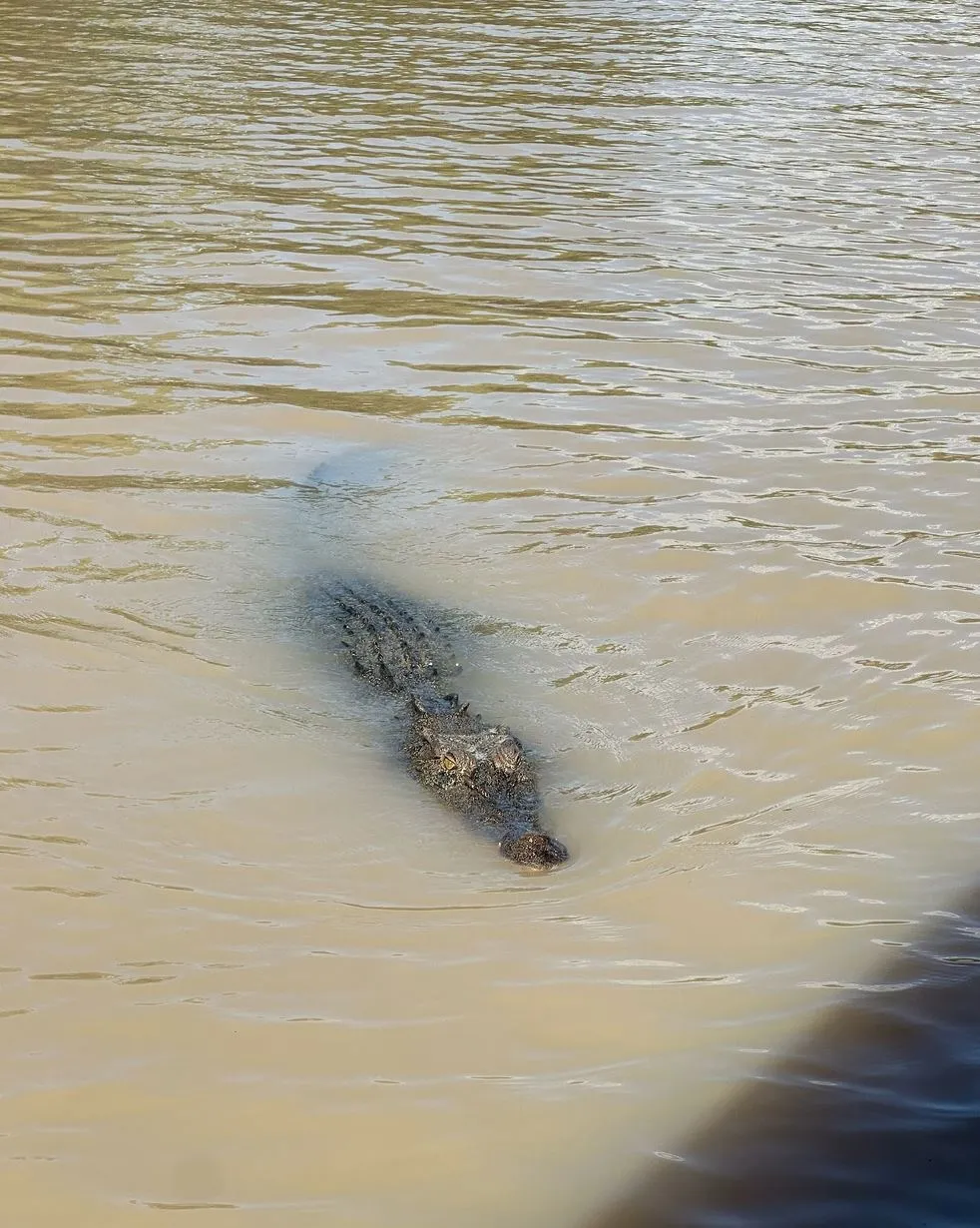
Most people do a Jumping Crocodile Cruise from Darwin on the Adelaide River – that’s about an hour down the road. This river has heaps of saltwater crocodiles – and also some strict rules about how theyre treated, which makes it a safe place for wildlife tourists. The river is known for its mangrove ecosystem, which is an ideal habitat for crocodiles.
I’ve also run cruises near Kakadu National Park, but those are usually a bit more laid-back and observational. If you want to see the famous jumping crocodiles, then Adelaide River is the place to be.
Where These Cruises Run And Why It Matters
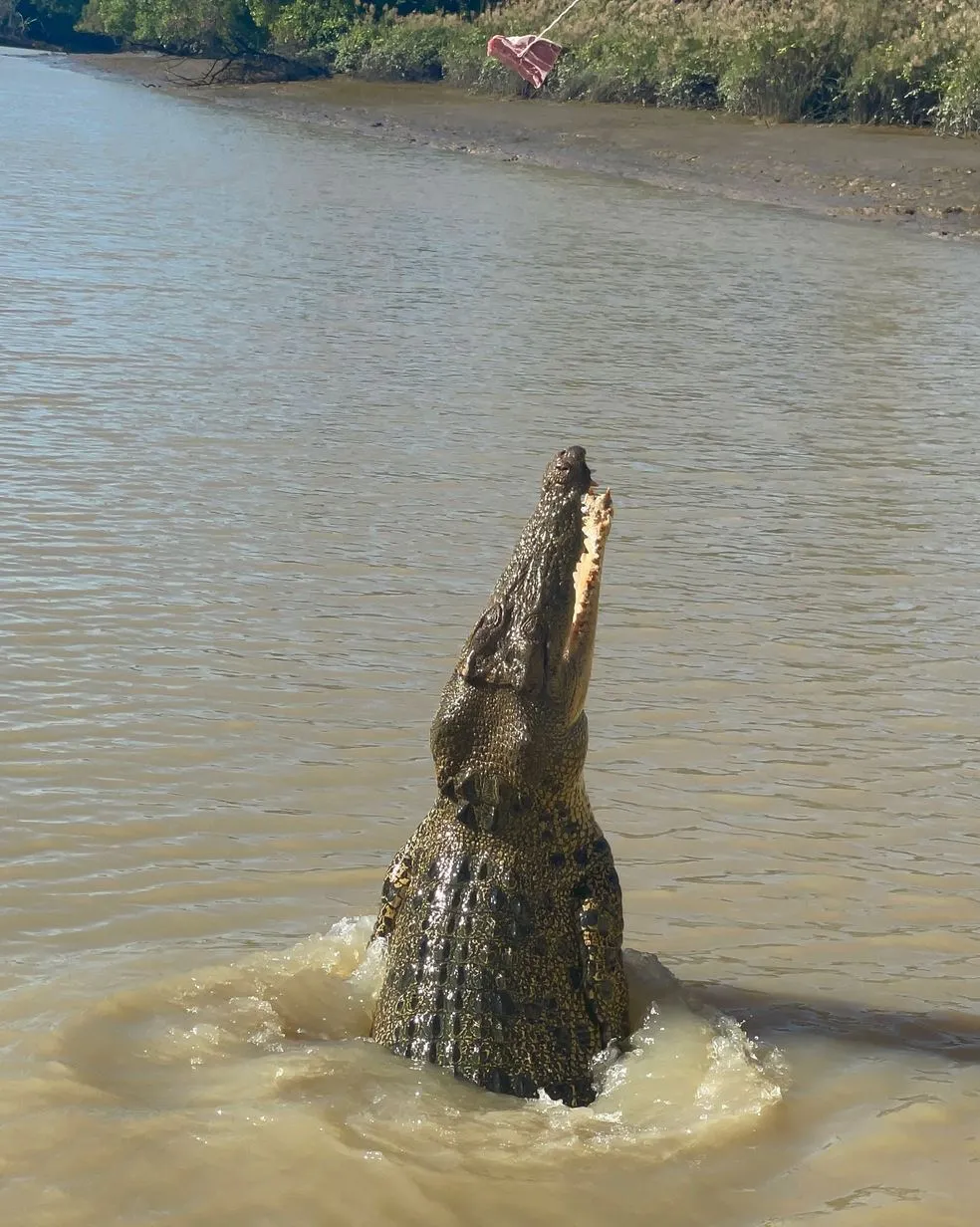
Let’s get real here, because a “don’t worry, it’ll be fine” just won’t cut it – we need some actual numbers to put people’s minds at ease. When you’re on a jumping crocodiles cruise, typically a croc will pop up or make a jump and end up inside a metre or two from the side of the boat. Sounds pretty close for comfort, but then you have to consider the boat’s design.
The crocodile might be right up close to the boat, but that’s not the same as being right up close to your little one sitting in the boat with you
| Safety Factor | Typical Measure | What It Means |
|---|---|---|
| Croc-to-boat distance | 1–2 metres | Visual proximity only |
| Rail height | ~1.2 metres | No reach-over risk |
| Child seating | Set back from rails | Extra safety buffer |
| Physical contact | Zero | Never permitted |
According to N.T Parks and Wildlife data – and it’s up to date as of 2024 – you won’t find any recorded passenger injuries on any of the licensed crocodile cruises that are operating under the proper permits.
Why Crocodile Feeding Stays Controlled
Misinformation can run wild online, but the fact is that the brief crocodile feeding you see on a Jumping Crocodile Cruise isn’t some random outburst; it’s not aggressive, and it’s definitely not uncontrolled. What you see guides doing on these cruises is carefully controlled. They’re using small bait portions to trigger a natural vertical jump – a behaviour that saltwater crocodiles actually exhibit in the wild.
It’s worth noting that this is nothing like those old-school croc feeding shows. There’s no scramble, no free-for-all, and no training the crocs to associate humans with a snack. The crocs are responding to the boat’s position and sound, not to the people on it.
When the behaviour gets too intense, feeding stops dead in its tracks – and that’s how the risk of an accident stays low.
Saltwater Vs Freshwater Crocodiles
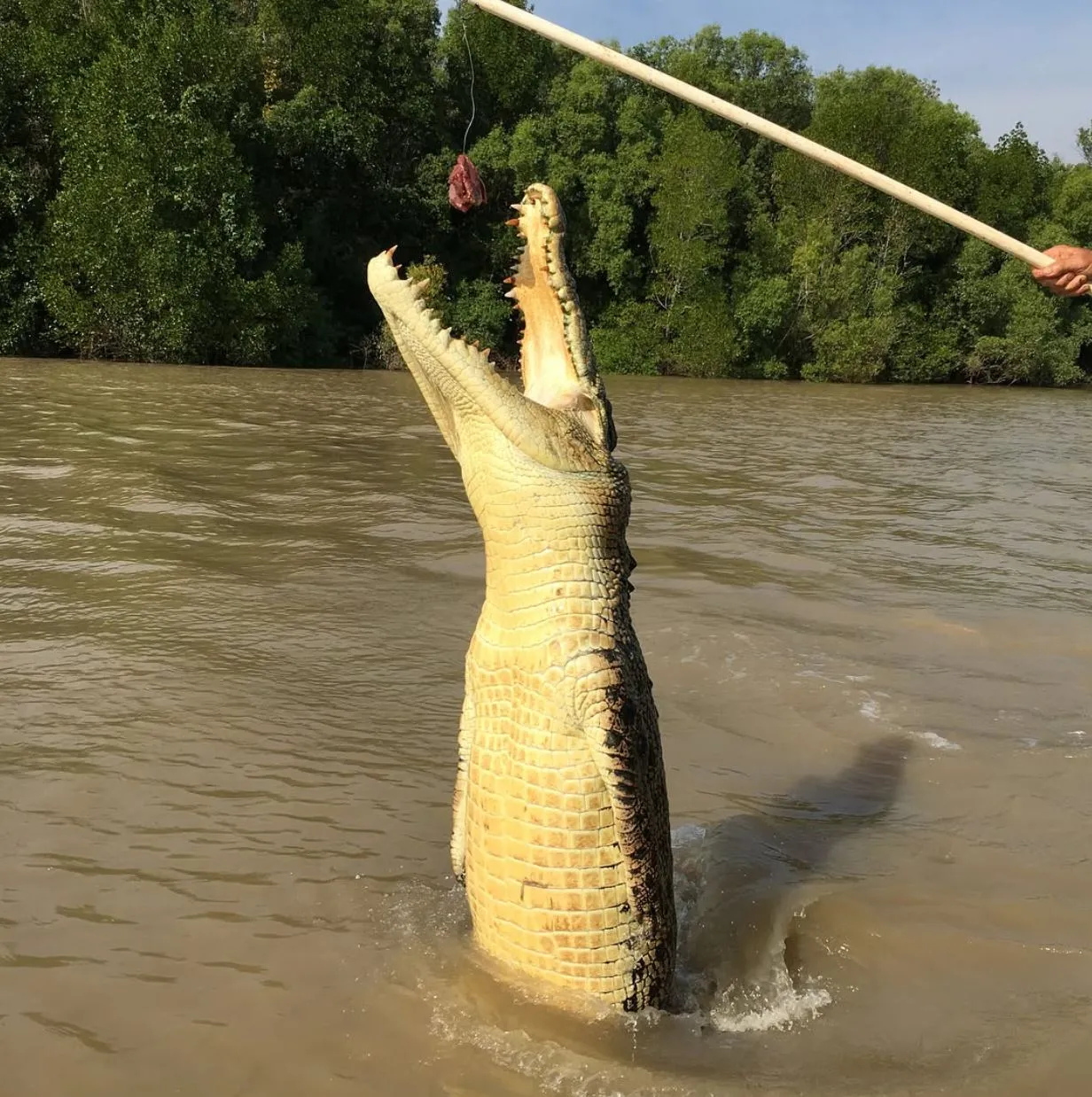
Lots of kids come away from one of these cruises with a fundamental understanding of the difference between saltwater and freshwater crocodiles – a difference that guides make a point to explain clearly to them on board.
- Saltwater crocodiles are the ones you’ll find dominating tidal rivers and estuaries
- Freshwater crocodiles are the ones that live in the inland areas, in the calmer freshwater wetlands
- Saltwater crocs have mighty jaws and different feeding habits than freshwater crocs
- And their brain is wired for ambush, not chasing stuff down
What starts as a bit of a thrill ride turns out to be a genuine learning experience about the flora and fauna, and the kids actually remember it.
Dry Vs Wet Season: Best Time For Kids
If you’re planning to take your kids on one of these cruises, the dry season (May to October) is basically the best time to do it. The mornings are cooler, the humidity is lower, and the crocodile behaviour is more predictable – all of which makes a Jumping Crocodile Cruise from Darwin a lot easier with kids.
The wet season, on the other hand, is a different story altogether – hotter, stormier, rivers are swollen, and that creates a bunch of environmental risks that sometimes cause departures to be shortened or cancelled. During the wet season, it’s also nesting season for female crocs, which means they’re much more protective of their nests, and operators must take that into account.
During nesting time:
- Incubation temperature affects the sex of the hatchlings
- The crocs are a lot more territorial
- And the guides must ensure they’re not disturbing the nests by giving them a bit more space.
If a cruise has to change its plans, that’s just good old-fashioned management – it’s not about being inconvenient, it’s about doing the right thing.
Getting Comfortable On The Water
Modern boats offer a world of air-conditioned comfort, shade and solid seating – a real lifesaver on those stifling hot days. And the good news is that most departure points are right by the sealed road, with some itineraries even neatly paired with a nearby ferry crossing or a gentle lagoon cruise – perfect if the water’s a bit choppy.
You can usually expect to find:
- Parking that’s a breeze, and check-in that’s a snap
- Staff who are trained to handle both families and larger groups with ease
- A clear policy on service animals – generally, they’re not welcome onboard
- A little souvenir shop at the jetty to pick up some mementos
It’s one of the easiest ways, I reckon, to get up close and personal with Top End wildlife without having to head way off into the wilderness.
About Respect And Understanding
Crocodiles are a massive part of Aboriginal culture, especially in Arnhem Land, where you’ll find them popping up in stories, ceremonies and law. Some cruises will touch on this side of things, while others will recommend you head along to the local cultural centre or rock art site afterwards.
For a long time, crocodiles were hunted for food and trade – but today they’re protected, and our relationship with the country is changing. That’s something the guides make a point of explaining with respect.
Getting Real About Crocodile Safety
Here’s the real story – the Northern Territory is home to over 100,000 saltwater crocodiles, but incidents involving licensed crocodile cruises are sporadic. Most serious crocodile incidents occur when people ignore warning signs near waterways.
Cruises aren’t a danger zone; ill-advised decisions by people cause the problems. So don’t be surprised if you hear the same old safety message repeated over and over – and if kids go away a bit wiser than the adults.
Would I Take My Own Kids?
I already have — and I’d do it again without hesitation.
How Close Do Kids Actually Get to Crocodiles on the Cruise? Close enough to understand how powerful these animals are, but never close enough to be at risk. A well-run Jumping Crocodile Cruise from Darwin delivers one of the most memorable Australian nature experiences families can have — exciting, educational and grounded in reality.
If you need help choosing a reputable tour company or fitting a Jumping Crocodile Cruise into a bigger Top End plan, send me a message. I’m always up to date on what’s happening on the river.
FAQ
Can children reach the edge of the boat?
No. Children must stay seated behind the safety rails at all times.
Can crocodiles jump into the boat?
No. Boat height, positioning and croc behaviour make this extremely unlikely.
Is a Jumping Crocodile Cruise suitable during the wet season?
Sometimes, but the dry season is more predictable and family-friendly.
Do crocodile cruises harm the animals?
Licensed operators follow strict guidelines to minimise stress and protect natural behaviour.
Is this better than a museum?
It’s a compliment to it. Many families do the cruise and then visit the Australian Museum or NT museums to reinforce what kids have seen in the wild.