
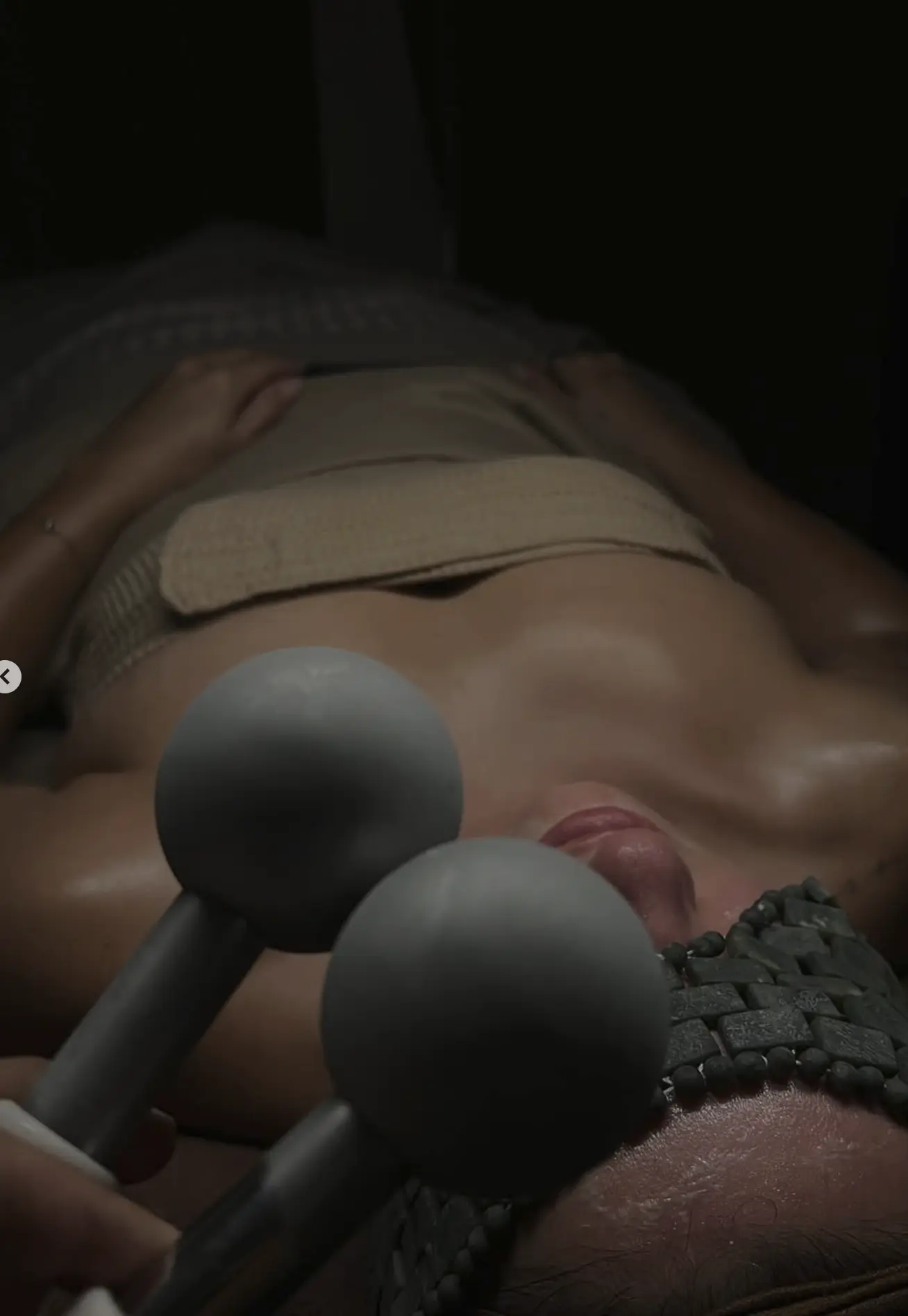
What clears up hormonal acne fast? It’s pretty much never a single magic bullet – it’s that right combination of acne treatments that really target the issue, balanced hormone support that’s not just a band-aid, and a skin care routine that actually respects your skin’s natural barrier.
If you’ve ever stood in front of the mirror wondering why your breakouts seem to follow some sort of monthly rhythm – especially the ones that pop up along your chin and jawline – then you’ve probably got hormonal acne. It’s not just a matter of shifting hormone levels and increased sebum production causing a few spots here and there. These changes can really stimulate your oil glands, leading to clogged hair follicles, angry, inflammatory acne, and sometimes deeper cystic acne.
In my surgery in Brisbane, I see this pattern all the time – and what’s more, I see what actually works to calm it down quickly, without doing any long-term damage to the skin.
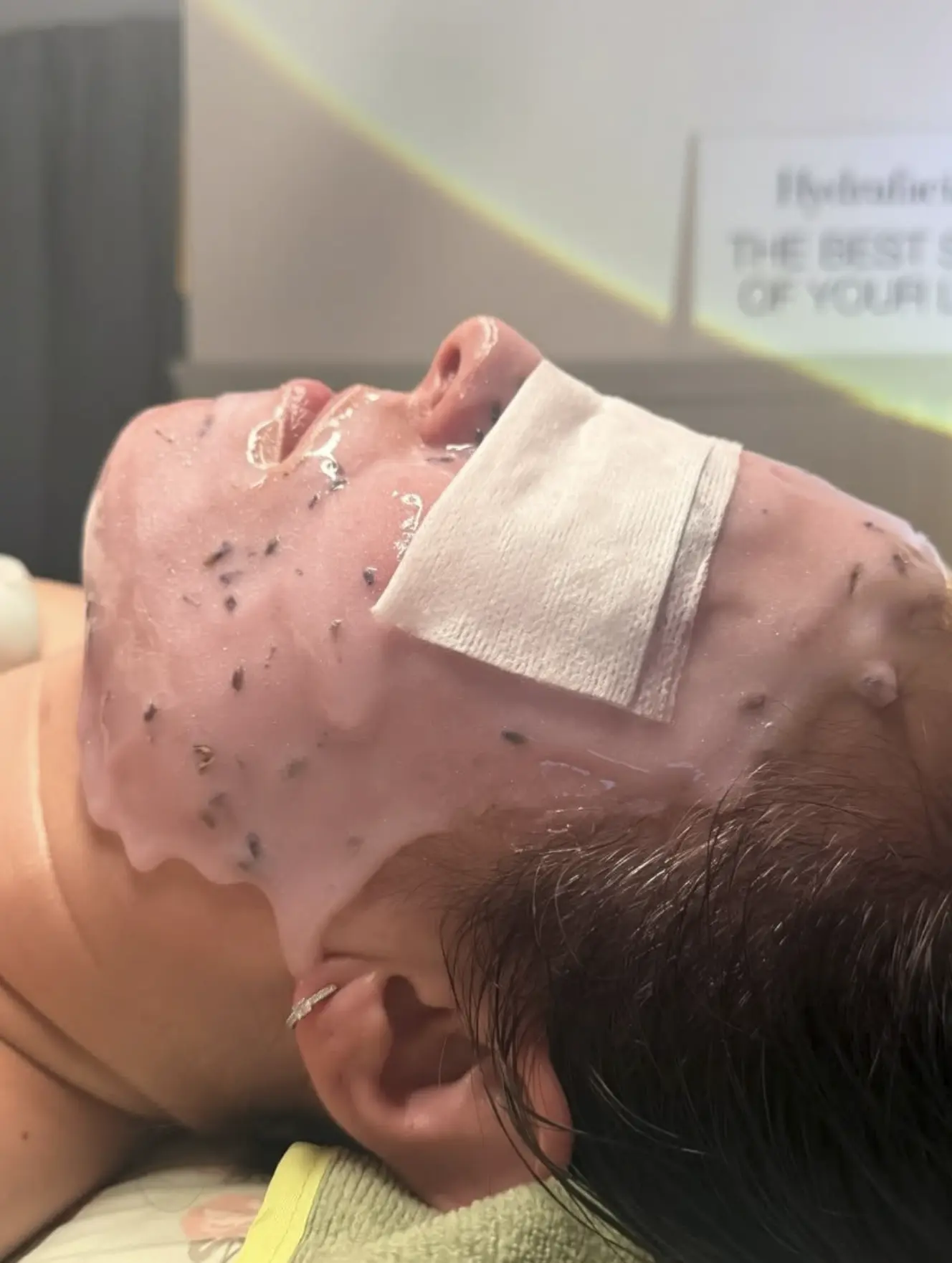
Why These Breakouts Behave Differently
Hormonal acne isn’t just about the surface of your skin. There’s an underlying issue – hormonal fluctuations that are causing your skin to shed dead skin cells in a way that traps debris inside your pores.
And Brisbane’s humid climate doesn’t help, making it worse. You’re already dealing with sweat, SPF, and all sorts of environmental stuff that can just clog up your pores even more – which is why your routine needs to be all about supporting both internal balance AND external skin health, rather than just relying on some harsh product to blast it away.
How To Calm Red, Painful Breakouts Quickly
When we’re in a rush to clear up your skin, we focus on calming the inflammation, reducing bacteria, and regulating oil – but all without stripping your skin bare.
1. Reduce Inflammation First — Always
Hormonal breakouts are basically just super-inflamed. And if you go in there with a sledgehammer and try to treat it, you’ll just end up making it worse and delaying healing.
What actually works fast:
- Niacinamide to regulate oil and calm skin
- Azelaic acid for redness and acne-causing bacteria
- Targeted spot care like benzoyl peroxide (used carefully to avoid irritation)
In more severe cases, a doctor or dermatologist might use stronger treatments, such as intralesional triamcinolone, to treat painful cysts.
2. Support The Skin Barrier (This Is Where Most People Go Wrong)
A damaged barrier is basically just a recipe for ongoing breakouts, even if you are using some strong actives.
So we make sure we’re prioritising:
- Ceramides and lipid support
- Gentle cleansers that don’t strip natural oils
- Hydration to stabilise pore size and oil balance
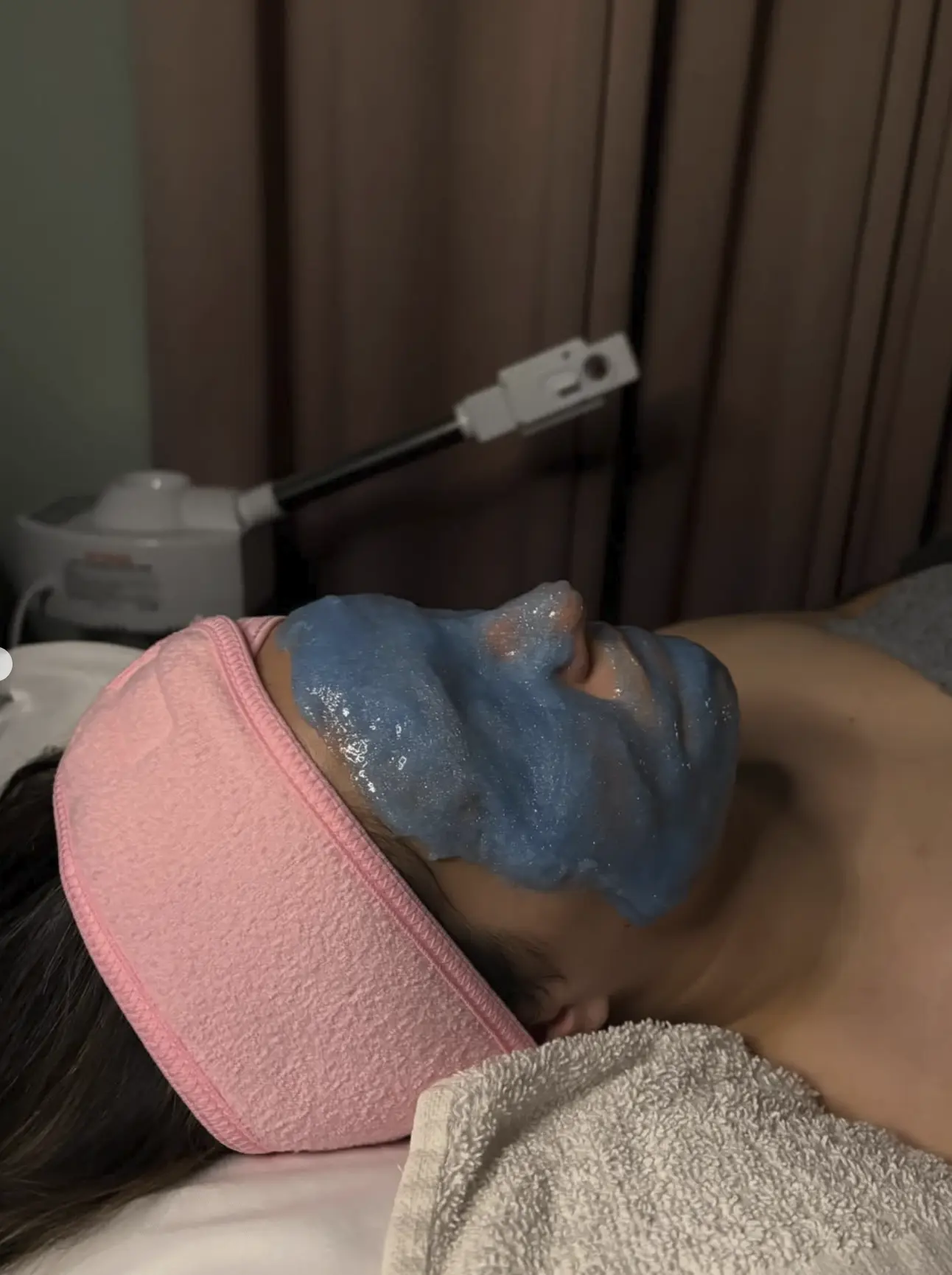
I’ve seen clients come in after overusing acids and harsh peels – and once we switched to a repair routine instead, their skin was sorted within weeks.
3. Target The Pore Without Over-Stripping
You do need to get rid of that congestion – but you don’t need to go in there with a sledgehammer and pick or squeeze it all out.
Best options:
- Salicylic acid to dissolve oil in hair follicles
- Topical retinoids to regulate cell turnover
- Professional extractions (never squeezing or picking at home)
Improper squeezing or picking will just spread the bacteria and probably leave you with some nasty acne scars.
Comparing Short-Term Relief And Long-Term Results
| Treatment / Approach | Visible Results Timeline | Best For | Notes |
|---|---|---|---|
| Benzoyl peroxide (spot use) | 1–3 days | Inflamed breakouts | Can be drying |
| Azelaic acid/niacinamide | 1–2 weeks | Oil control + redness | Barrier-friendly |
| Topical retinoids | 2–6 weeks | Ongoing acne + texture | Needs consistency |
| Professional facials | 1–4 weeks | Congestion + inflammation | Customised |
| Hormonal therapies | 4–12 weeks | Persistent cystic acne | Medical supervision |
When Professional Treatments Make A Difference
Treatments shouldn’t be some kind of aggressive assault on your skin – they should be gentle corrections that leave you feeling supported.
At The Facial Hub, our treatments are designed to calm inflammation and support your skin barrier function instead of just stripping it bare. Treatment choices should always consider your skin’s condition and, where relevant, whether PDRN facials are suitable around cosmetic tattooing. And that’s not just a quick fix for the breakouts you’ve got right now; it also helps reduce the chance of getting acne scars down the line.
In some cases, once your skin has settled down, we might use laser treatment to tackle any lingering marks or deeper concerns – but timing is absolutely everything. Anyone providing these treatments also needs proper training, not just assumptions about whether fast-track laser courses are recognised by clinics.
Ingredients That Support Clearer Skin
Let’s keep it simple and evidence-based.
Effective ingredients:
- Niacinamide
- Azelaic acid
- Zinc
- Salicylic acid
- Topical retinoids
- Carefully used benzoyl peroxide
Be cautious with:
- Overdoing the essential oils (even tea tree oil can be nasty on some skin types).
- DIY treatments that are a bit too harsh (trust us, we’ve seen it all).
- Overlayering active ingredients – it’s easy to do, but it’s basically just piling on the problems.
And when you’re shopping for skincare products, make sure they’re the non-comedogenic kind – especially in Brisbane’s sticky humidity.
The Role Of Diet, Stress, And Hormones
Your skin is basically a reflection of what’s going on inside you.
Keeping your blood sugar levels steady is a big deal for reducing breakouts, which is why a low-GI diet can be a game-changer for some people. And if you can cut out frequent sugar spikes from sweets and candy, increase your fibre intake, and give up cow’s milk for a bit, it can all help your skin.
This diet-hormone connection is different for everyone, but it’s always worth looking into for people who have persistent acne. For polycystic ovary syndrome, we’re talking blood tests, medical guidance – the whole shebang.
Stress also plays a massive role – it makes your adrenal glands go haywire and triggers inflammation in your skin. And we see it all the time in people who get stressed out and then get a skin flare-up.
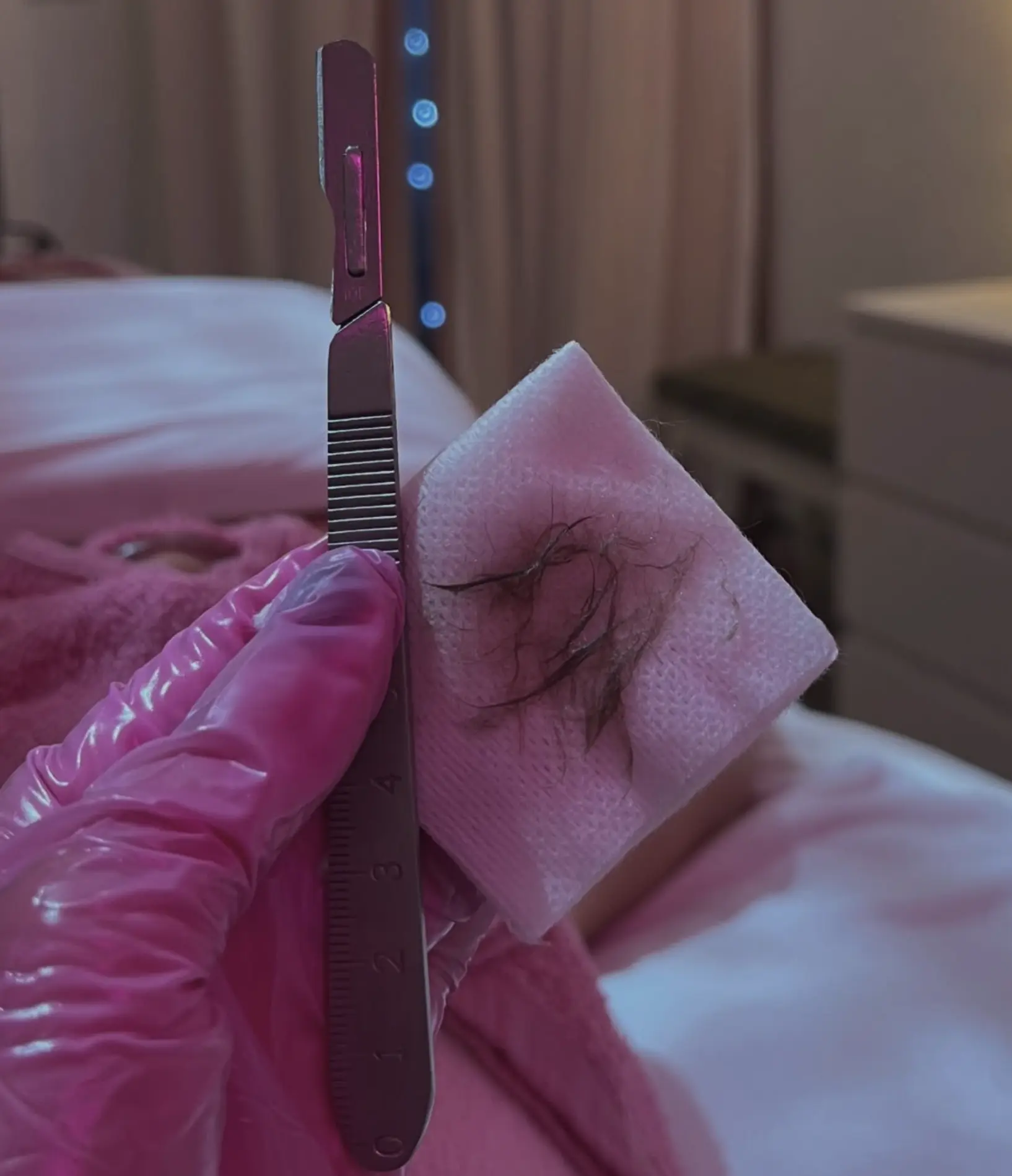
2026 Skin Trends
The industry finally seems to be moving away from those one-size-fits-all treatments that are so aggressive on the skin.
Now, we’re all about that gentle, barrier-first approach – where we work with your skin to help it find its own balance and get the best out of it. Clients are getting more and more savvy, and it’s actually starting to make a real difference in the results we get.
Medical Support Options Explained
If you’re struggling with a persistent skin issue, you may need to consider medical treatment.
Options include:
- Oral contraceptives, or those birth control pills people take to regulate things.
- Anti-androgen medications can really help with stubborn cases.
- Prescription treatments that you apply directly to the affected area, usually in the form of topical retinoids.
But remember, all of these treatment options should be approached under the guidance of a doctor or healthcare professional.
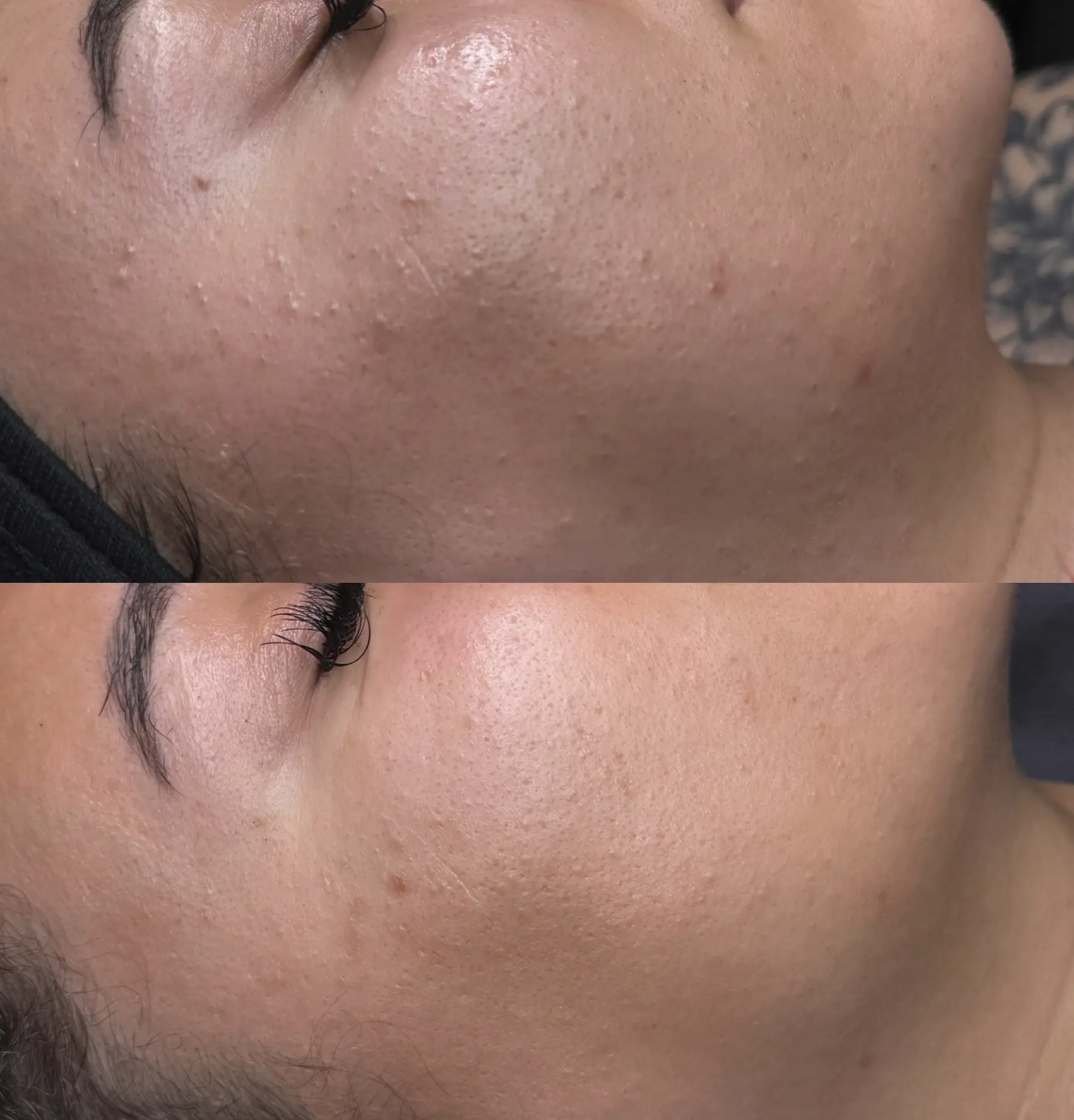
When It’s Time To Get Expert Help
If your skin is:
- Painful or deeply inflamed
- Leaving marks or scarring
- Not improving after several weeks
It’s time for a personalised plan.
Combining professional care with the right home routine delivers the fastest, most stable results.
I’ve had plenty of clients come to me after searching online for ‘good facials near me’, feeling totally lost and unsure about what to do. But the truth is, once you get to know your skin (and don’t worry, it’s not as complicated as it seems), you can figure out what your skin really needs.
Final Thoughts: Less Chaos, More Strategy
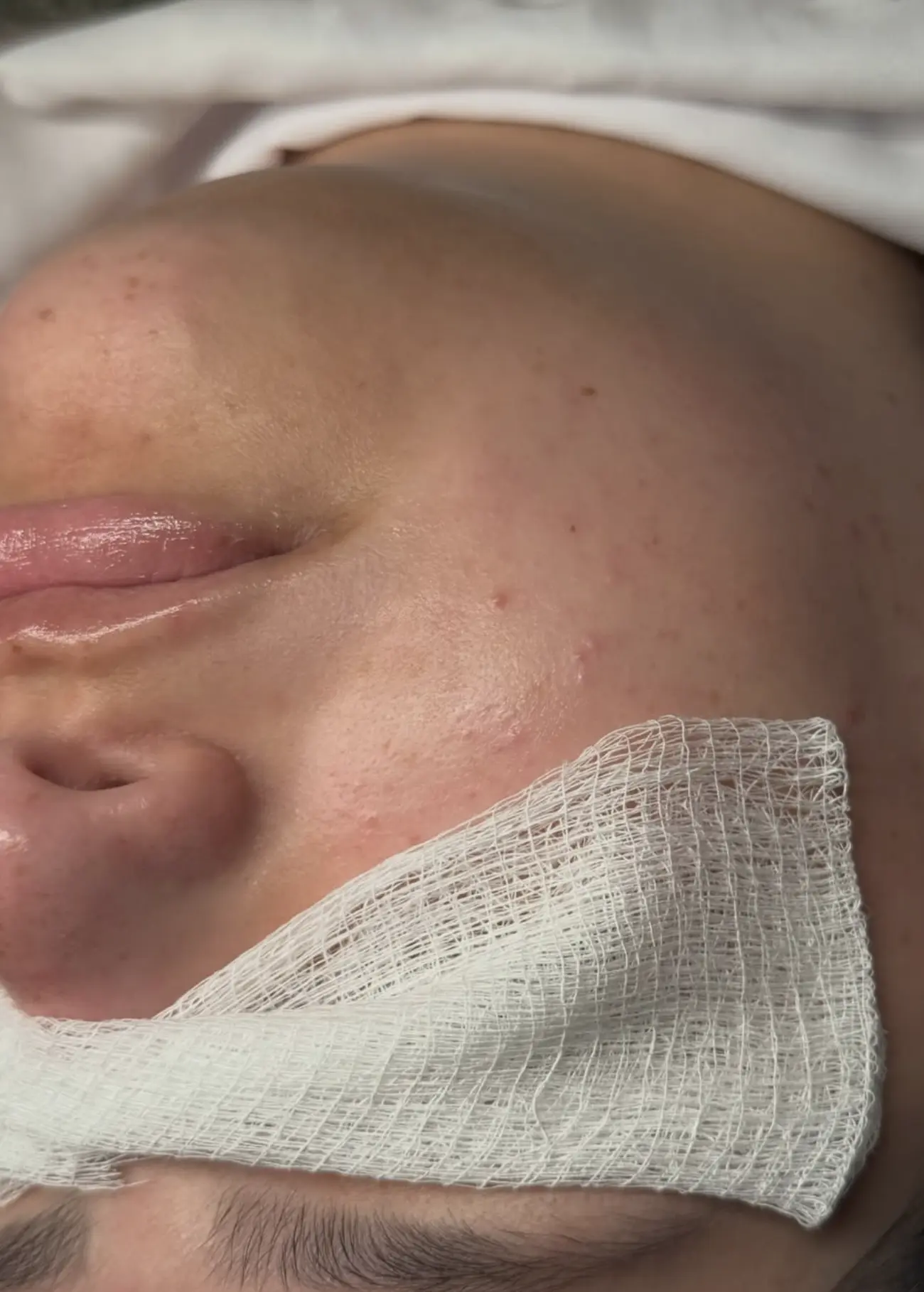
Fast results aren’t about throwing loads more products at your skin – that’s just going to confuse the issue. What really works is getting a good understanding of what’s going on with your skin – and once you’ve got that, you can start to make some real progress.
When you’ve got inflammation under control, your skin’s barrier function is supported, and you’re not dealing with any underlying triggers, your skin starts to behave much more predictably.
FAQ
How long does it take for breakouts to calm down?
Honestly, it can take just a few days for the inflammation to start to reduce, but it usually takes a couple of weeks to start to see real, visible improvement with consistent effort.
Can you really manage hormonal patterns in the long term?
Yes, you can – with the right combination of skincare, making some lifestyle changes, and if necessary, getting some medical support.
Do in-clinic treatments actually speed up recovery time?
Absolutely. They really can make a big difference, especially if you’re focusing on calming things down, repairing the skin and gently clearing out any congestion.
Which ingredients are worth prioritising in my skincare routine?
In my experience, the ingredients that make the biggest difference are those that support the skin barrier and have anti-inflammatory properties.
When should you go and see a professional for advice?
Listen, if you’re getting some pretty persistent breakouts that are painful, inflamed, or just leaving nasty marks, it’s probably time to get some proper advice from a qualified healthcare practitioner.
 Anton-admin